
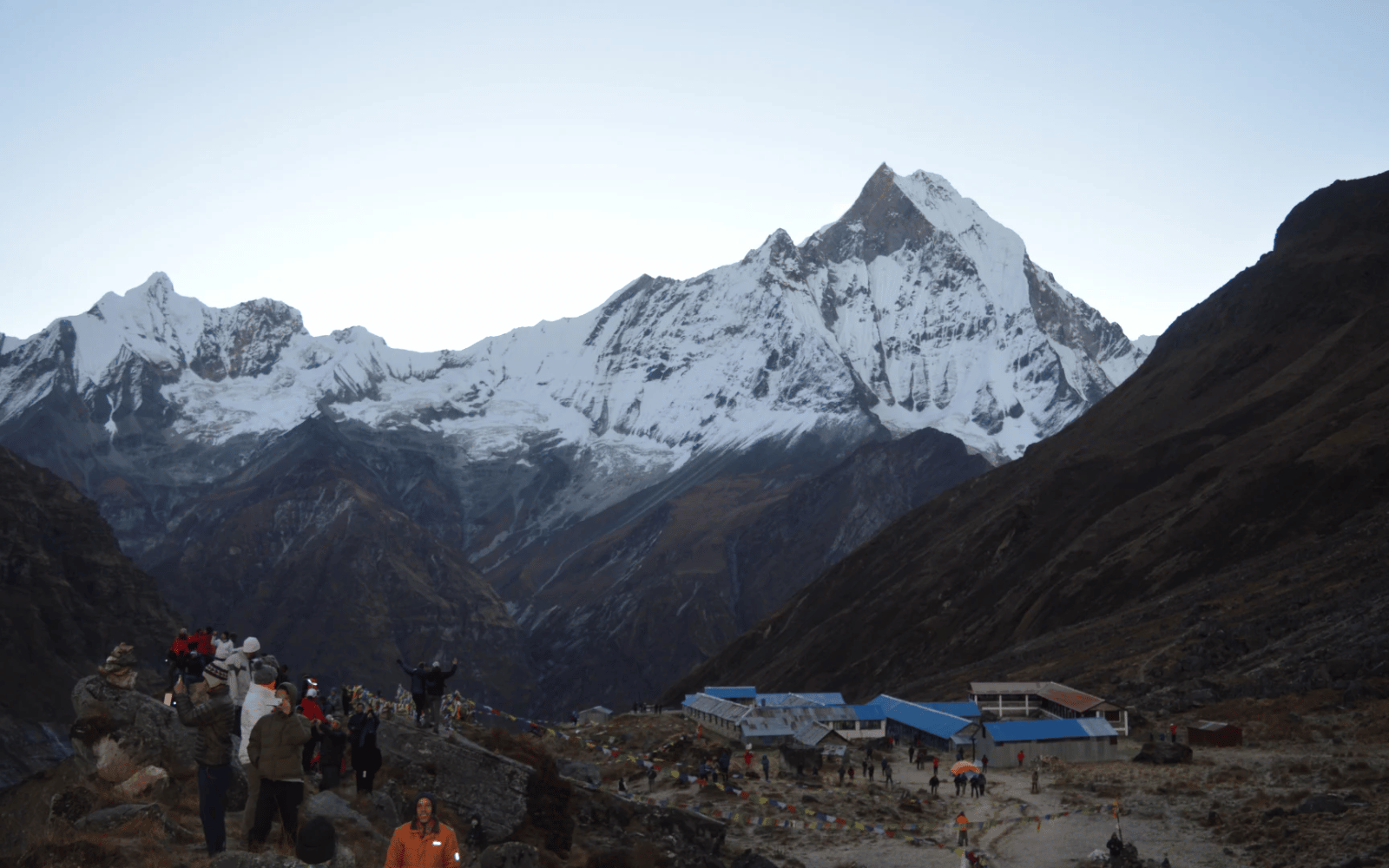
Nepal's helicopter-worthy mountains obey a rhythm set by the monsoon and the jet stream. Ask any local pilot and you will hear the same answer: the best flying months are October, November, March and April. But each route has its own best window, and understanding them turns a good trip into a memorable one.
The Two Clear Seasons: Autumn and Spring
Autumn (October-November) follows the monsoon's departure. Rain has washed dust from the sky, snowcaps glisten, and visibility in the Khumbu regularly clears 40 kilometres. This is THE prime season - book three to four weeks ahead for Everest landings.
Spring (March-April) brings warming valley air but stable upper levels. Flowering rhododendrons and milder landing-site temperatures offset slightly hazier skies. Everest flights shine in the first half of April before pre-monsoon cloud arrives.
Month-by-Month Flying Calendar
- January-February: Cold, crystal air. Everest and Langtang fly well; landings are frigid. Fewer crowds and the best photo light of the year.
- March: Spring opener. Reliable, fewer tourists than autumn.
- April-May: Prime spring. Early May is beautiful; late May cloud increases.
- June-September: Monsoon. Early-morning Everest windows exist but cancellation rates jump. Gosaikunda and Kathmandu valley flights remain feasible.
- October-November: The gold standard. Peak crowds, peak clarity.
- December: Shoulder with winter clarity and thin demand - a photographer's sleeper month.
Route-Specific Best Seasons
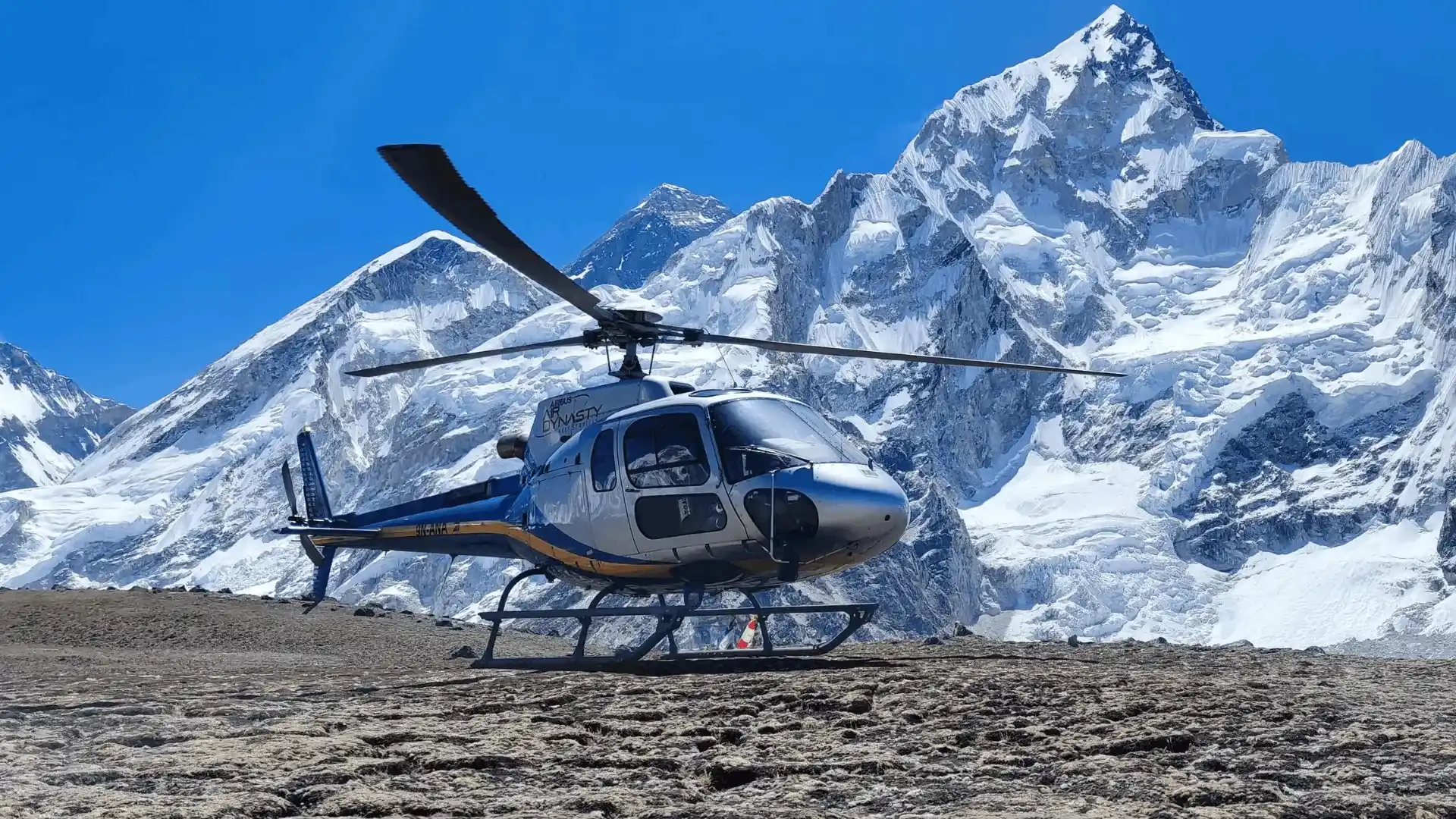
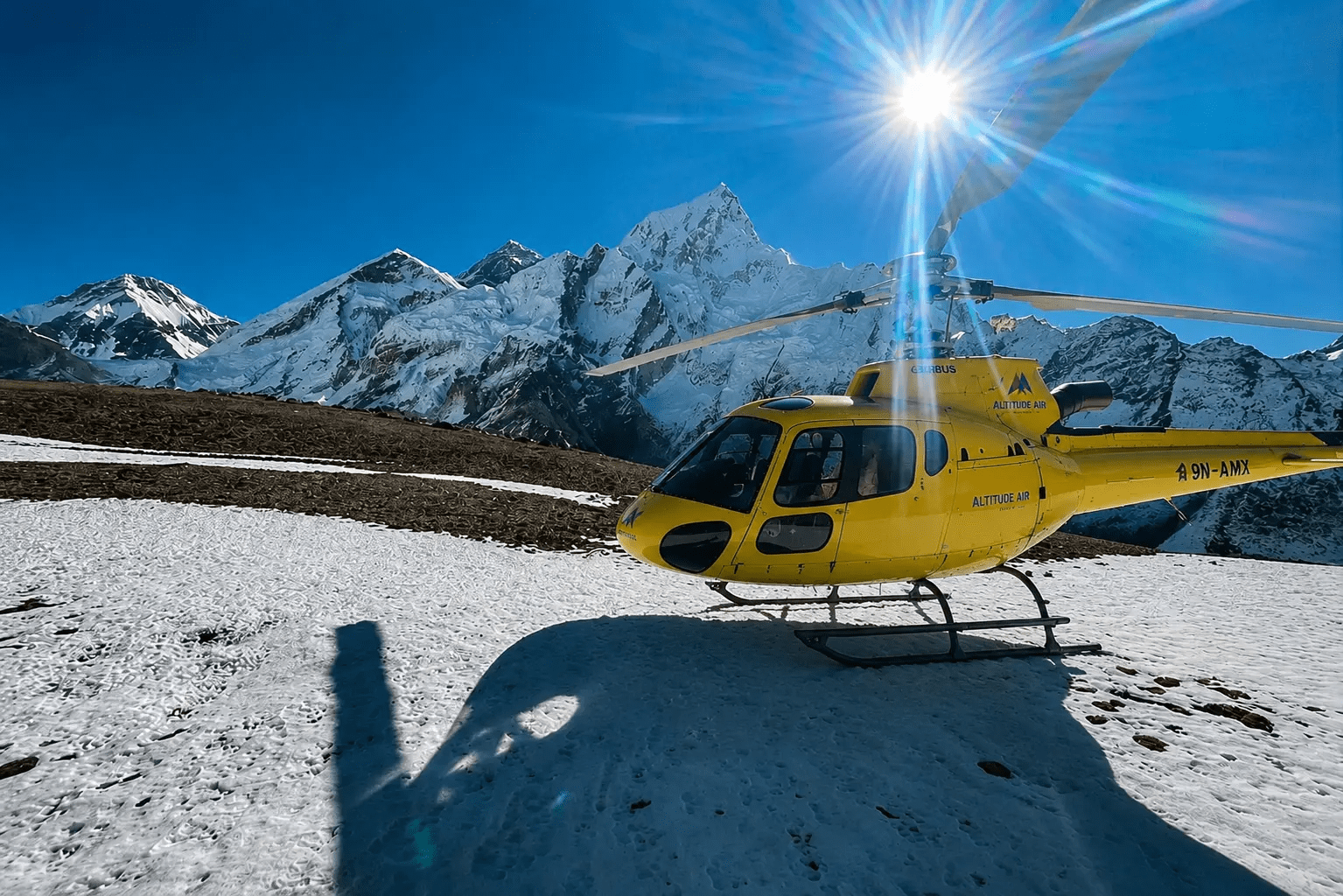
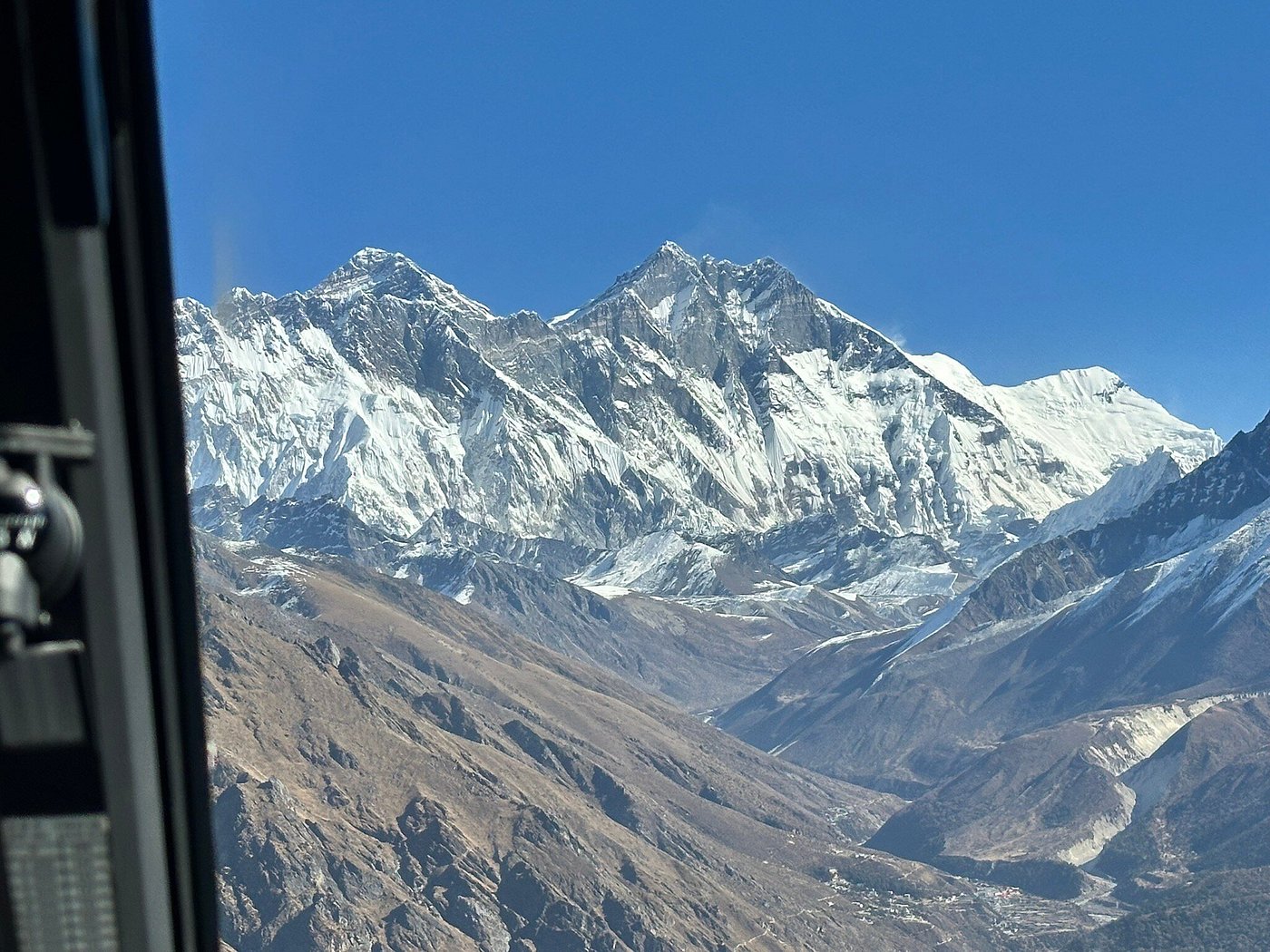
Everest Base Camp and Kalapatthar
October-November and March-April. The Khumbu is strict: after monsoon snow is firm, after spring melt the landing surface can soften.
Annapurna Sanctuary
Similar to EBC but slightly friendlier in shoulder months (late September, early December) because the sanctuary sits lower at 4,130 m.
Langtang and Gosaikunda
September-November and May give the widest windows; the lower altitude tolerates more weather variance than EBC.
Pilgrimage (Muktinath, Gosaikunda)
Match the yatra calendar: Gosaikunda around Janai Purnima (August) and Muktinath year-round with October-November clearest.
Why the Morning Matters More Than the Month
Mountain weather builds daily schedule: calm overnight, valley winds rising by late morning, cloud forming over the peaks by midday. That is why good helicopters are off the pad by 7 a.m. Even in a perfect month, a 2 p.m. slot is a gamble; even in a poor month, a 6 a.m. slot frequently clears.
How to Protect Yourself Against Cancellation
- Book a flight early in your itinerary so you hold an extra day for a retry
- Ask your operator for a same-or-next-day rebooking clause in writing
- Avoid booking EBC and ABC on the same morning - weather rarely clears two valleys at once
- Consider a "fly tonight, cruise tomorrow" buffer around your departure home
Frequently Asked Questions
Is winter (December-February) a bad time?
No - it is unreliable-beautiful. Clear windows are common but short, and landing surfaces freeze. The trade-off is solitude and dramatic snow light that autumn cannot match.
How far ahead should I book an Everest tour?
In October and November, four to six weeks. In shoulder months, seven days is usually enough. Off-peak, operators often confirm flights two days ahead.
Does Nepal fly helicopters on national holidays?
Only with special approval. Dashain and Tihar shutdowns (usually September-October) pause charters for a few days; plan your flight around these festivals.
Represent a Helicopter Agency or Operator?
We welcome guest contributions from helicopter agencies and licensed operators who want to share original route guides, flying experiences, or practical safety knowledge with our readers. Each article is clearly labelled as a contributed guest post.
Write For Us




Comments (0)
No comments yet. Be the first to share your thoughts.
Leave a Reply