

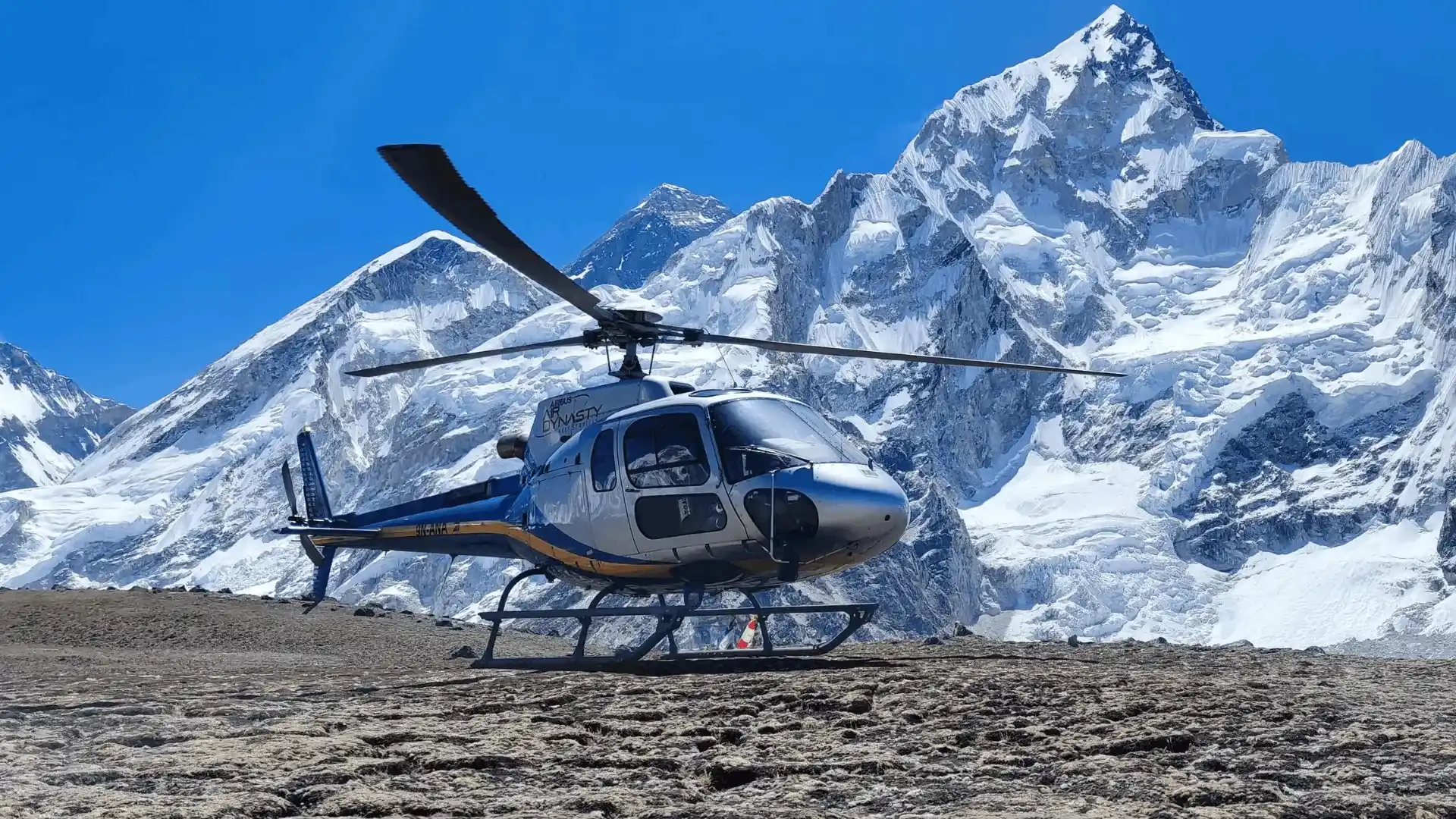
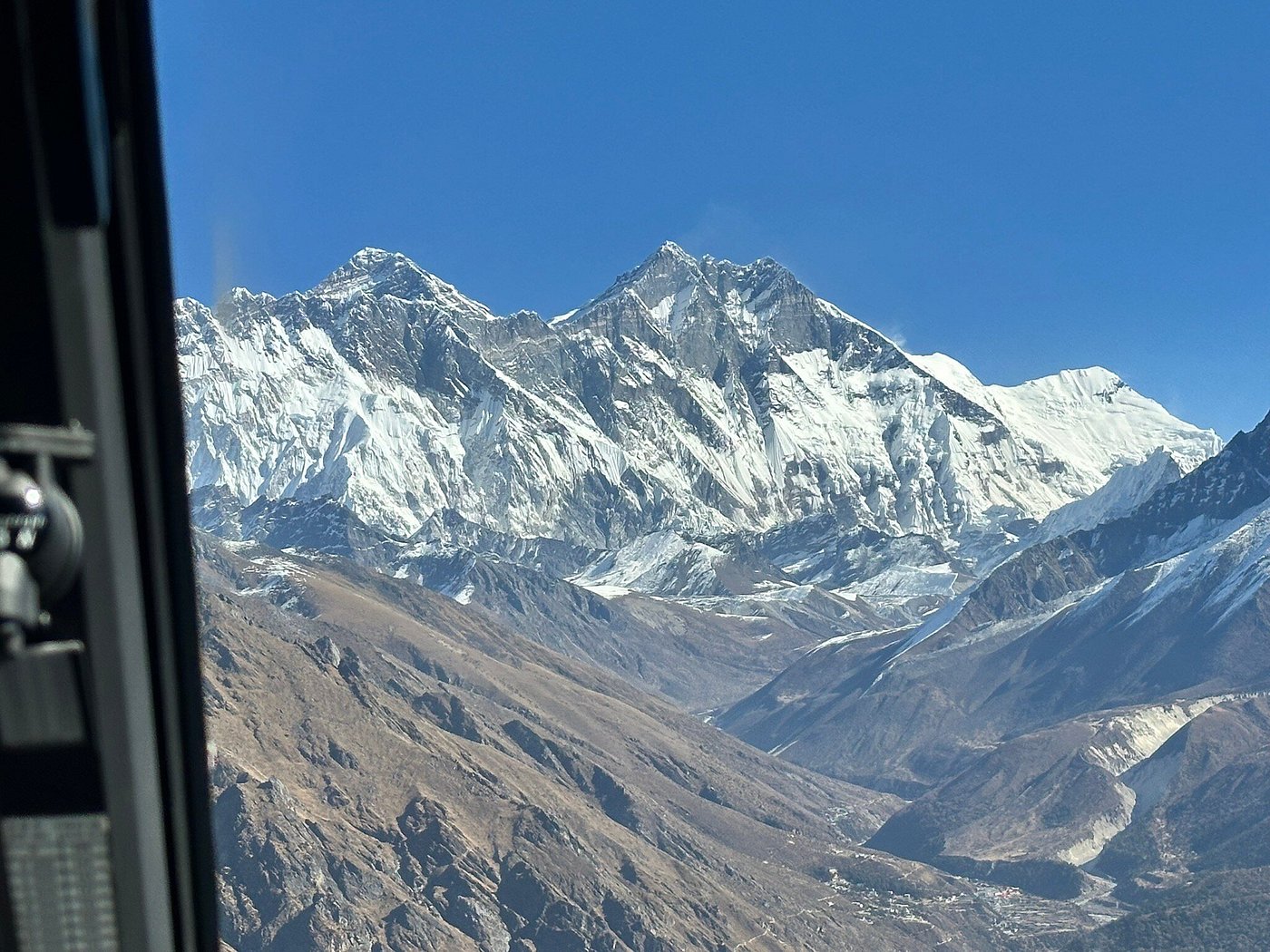
The Everest Base Camp helicopter tour is one of the most iconic flights on Earth. In a single morning you can watch the sun climb over Lhotse, hover beside the Nuptse wall and stand at Kalapatthar with Mount Everest rising 900 metres above you.
Why Take a Helicopter Tour Instead of Trekking to EBC
A trek to Everest Base Camp takes 12 to 14 days and requires strong fitness. A helicopter tour achieves the same destination in four to five hours, with the ability to land at locations that trekkers can only photograph from a distance. It suits travellers with limited time, older guests, and anyone who wants the summit views without the physical strain.
The Landings That Make This Flight Special
Most operators include two landings. The first is a fuel stop at Lukla, the world's most famous airstrip. The second, weather permitting, is at Everest Base Camp itself or on the Kalapatthar ridge at 5,545 metres. Standing above the Khumbu Glacier looking straight across to the summit is an experience no photograph can prepare you for.
How the Flight Works: Route and Duration
The flight departs from Kathmandu's domestic terminal early in the morning. The helicopter follows the classic valley route north, crossing over the rhododendron forests of the Sundarijal watershed before passing the Sherpa villages of Namche Bazaar and Tengboche.
- Total duration: 4 to 5 hours round trip
- Flight time: roughly 2.5 to 3 hours in the air
- On-ground time: 30 to 45 minutes including the Lukla fuel stop
- Elevation reached: up to 5,545 m at Kalapatthar
When to Fly: Weather Windows and Seasons
The Khumbu has two clear flying seasons. October and November follow the monsoon and bring cloudless skies and full Himalayan views. March and April are equally reliable, with slightly warmer valley temperatures. Winter (December to February) can be stunning but bitterly cold at altitude. June to September is monsoon season, when flights are frequently delayed or cancelled by cloud.
Choosing a Seating Position
Helicopter tours run with three or four passengers plus a pilot. The two window seats behind the pilot offer the best panoramic views, while the middle seats still give an excellent forward view through the large cabin windows. Inform your operator in advance if you prefer a window seat; allocation is usually on a first-come basis.
Fitness and Altitude Considerations
The helicopter is pressurised only by cabin airflow at high altitude. Reactions vary; some passengers feel a mild headache during the Kalapatthar landing. Operators carry portable oxygen for emergencies, and stay at the summit landing for a maximum of 20 minutes so no one lingers long enough to suffer serious effects.
Packing for an EBC Helicopter Tour
- Warm layers, hat and gloves - it is cold at 5,500 metres
- Sunglasses to protect against intense high-altitude glare
- A camera with an extra battery (the cold drains batteries fast)
- Personal medication if you have any medical condition
Booking Your Everest Base Camp Helicopter Tour
Book with a licensed Nepali operator that holds a CAAN air operator certificate, and confirm that the tour includes pick-up from your Kathmandu hotel. Most operators offer flexible rescheduling when weather cancels a flight, so read the cancellation policy carefully before you pay.
Frequently Asked Questions
Is the Everest Base Camp helicopter tour worth the price?
For most travellers, yes. When you compare the cost of 14 trekking days, flights to Lukla, guides and accommodation, the helicopter tour is an efficient and unforgettable way to experience the Khumbu.
Can you land at Everest Base Camp itself?
Yes, on many days. Landings at Base Camp depend on ice conditions and weather, and the captain makes the final call. Kalapatthar is the dependable fallback and many argue it gives the better view.
Who should not take a helicopter tour to EBC?
Anyone with serious heart or respiratory conditions should consult their doctor first, because the flight reaches 5,500 metres. Pregnant travellers in the third trimester should not fly.
Represent a Helicopter Agency or Operator?
We welcome guest contributions from helicopter agencies and licensed operators who want to share original route guides, flying experiences, or practical safety knowledge with our readers. Each article is clearly labelled as a contributed guest post.
Write For Us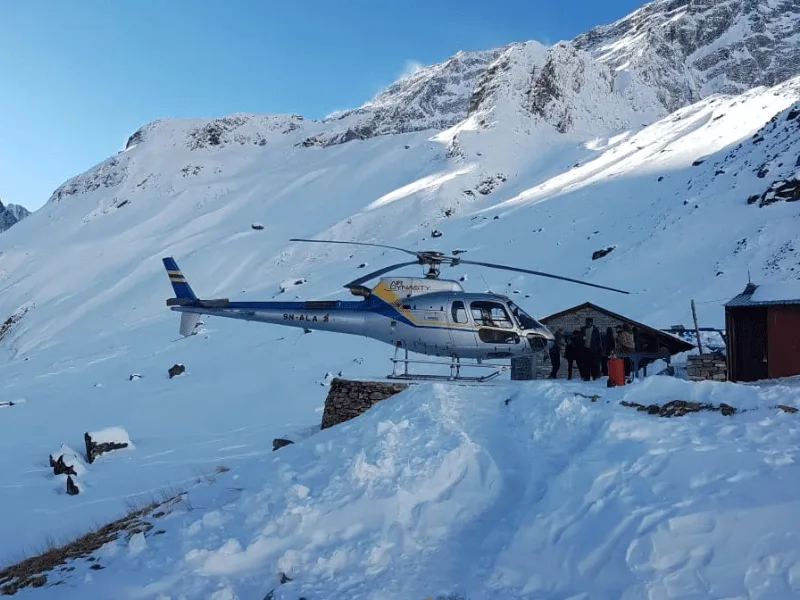




Comments (0)
No comments yet. Be the first to share your thoughts.
Leave a Reply