
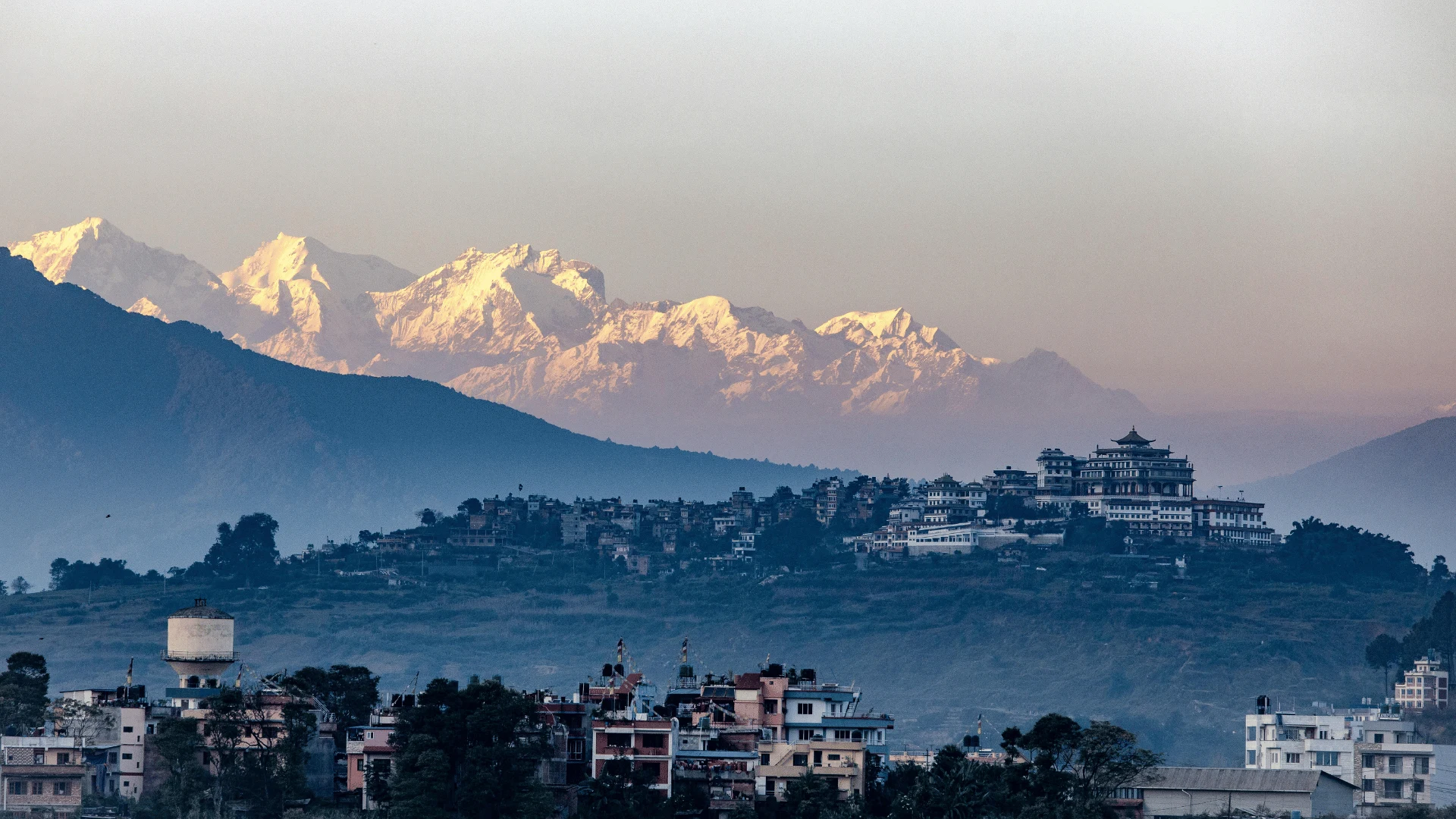
Everything about your first helicopter tour in Nepal is manageable once you know the choreography. This guide walks through the entire flight - booking, brief, takeoff, landing, and what to do when the weather changes - so you can enjoy the ride instead of worrying about the details.
Step One: Booking Smart
Choose an operator that holds a CAAN air operator certificate, ask about the exact aircraft and passenger count, confirm what is included (hotel transfers, permits, landings, fuel), and get cancellation-and-rebooking policy in writing. Front-loaded questions at booking prevent friction on the pad.
The 24 Hours Before
- Sleep properly, skip alcohol, drink water
- Pack per the route's checklist (camera, warm layers, ID)
- Confirm the departure point and time with the operator the evening before
- Set an alarm early - mountain flights take off at first light
At the Helipad: The Briefing
You will sign a standard passenger indemnity and receive a 5-minute safety brief: approach path, hand signals, where to store gear, how to wear the seatbelt, and what the pilot's word means if the weather sours. Weight is weighed individually - full transparency is part of the safety culture, not a judgment.
Boarding the Helicopter
You walk out on the instinct side (front, high side), away from the main rotor arc. Afterboarding, fasten the 4-point harness, adjust the headset, and remember: the carpet under the seat holds your visual flight, so boots stay on the surface and hands stay visible. The pilot runs the start sequence, and in minutes you are weightless.
The Flight Itself
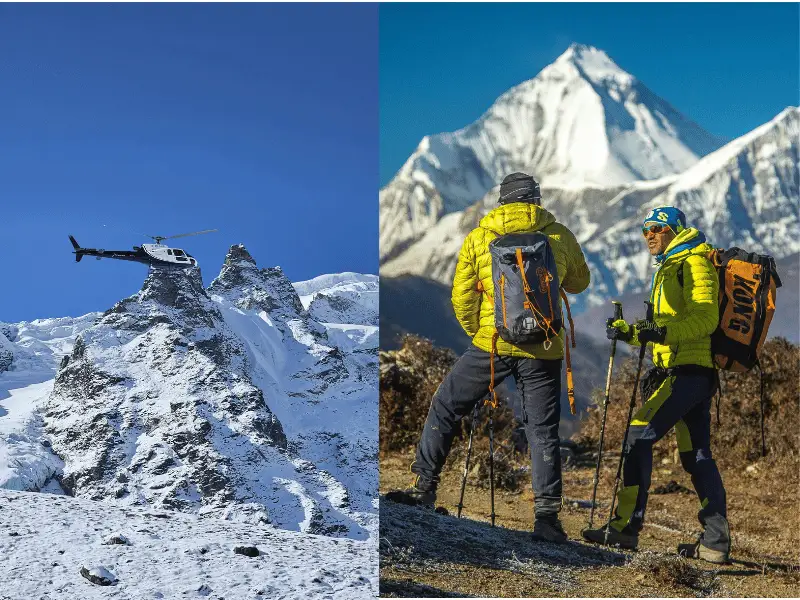
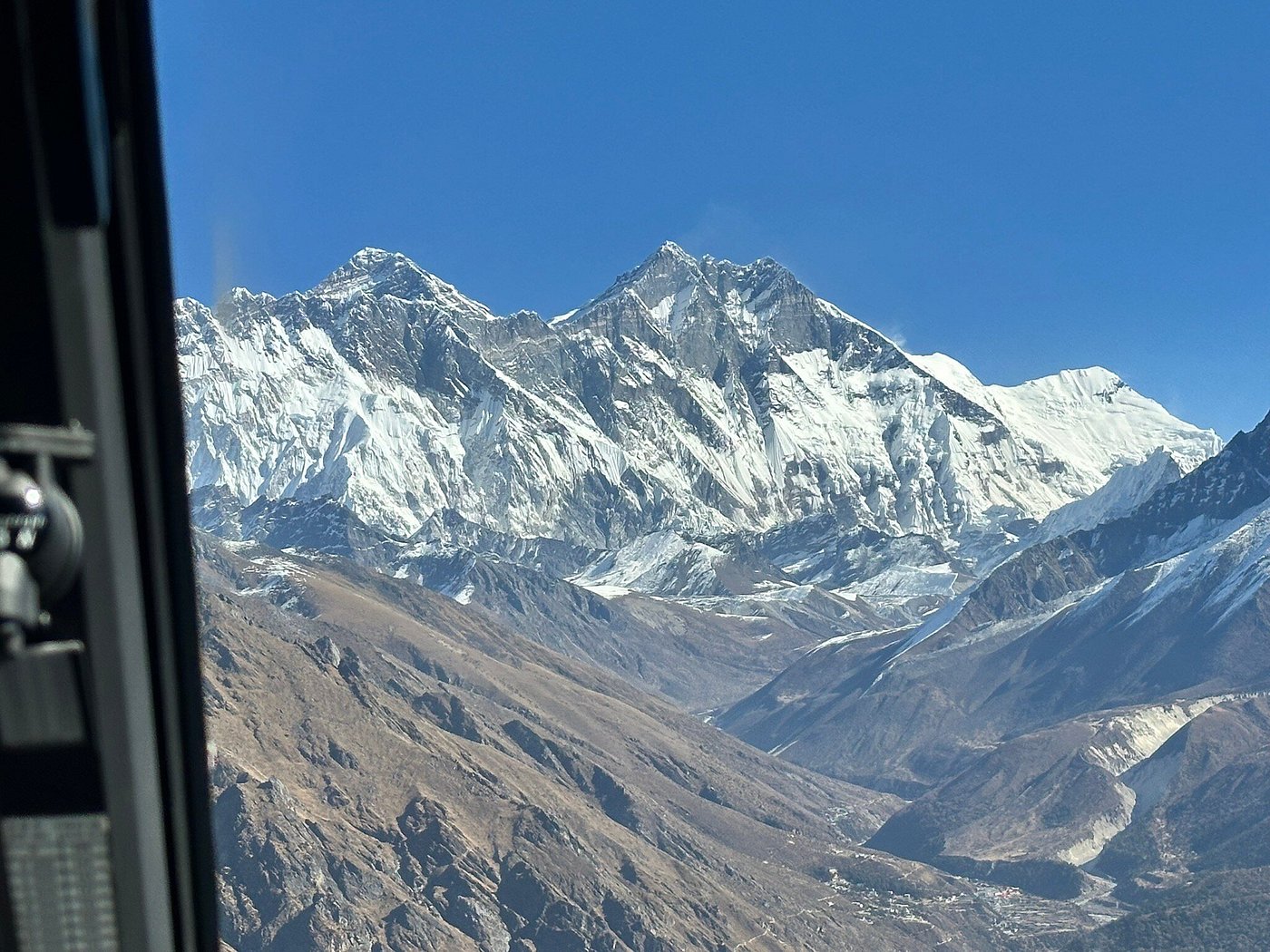
Mountain flights climb steadily, swing over ridgelines, and cross passes with the machine leaned into the valley. These are gentle movements in a turbine airframe; the spectacular views do the drama. The intercom carries the pilot's narration; ask questions freely - pilots love tour routes and will point out sherpa villages, glaciers and the occasional eagle.
Landings: The Secret to Good Photos
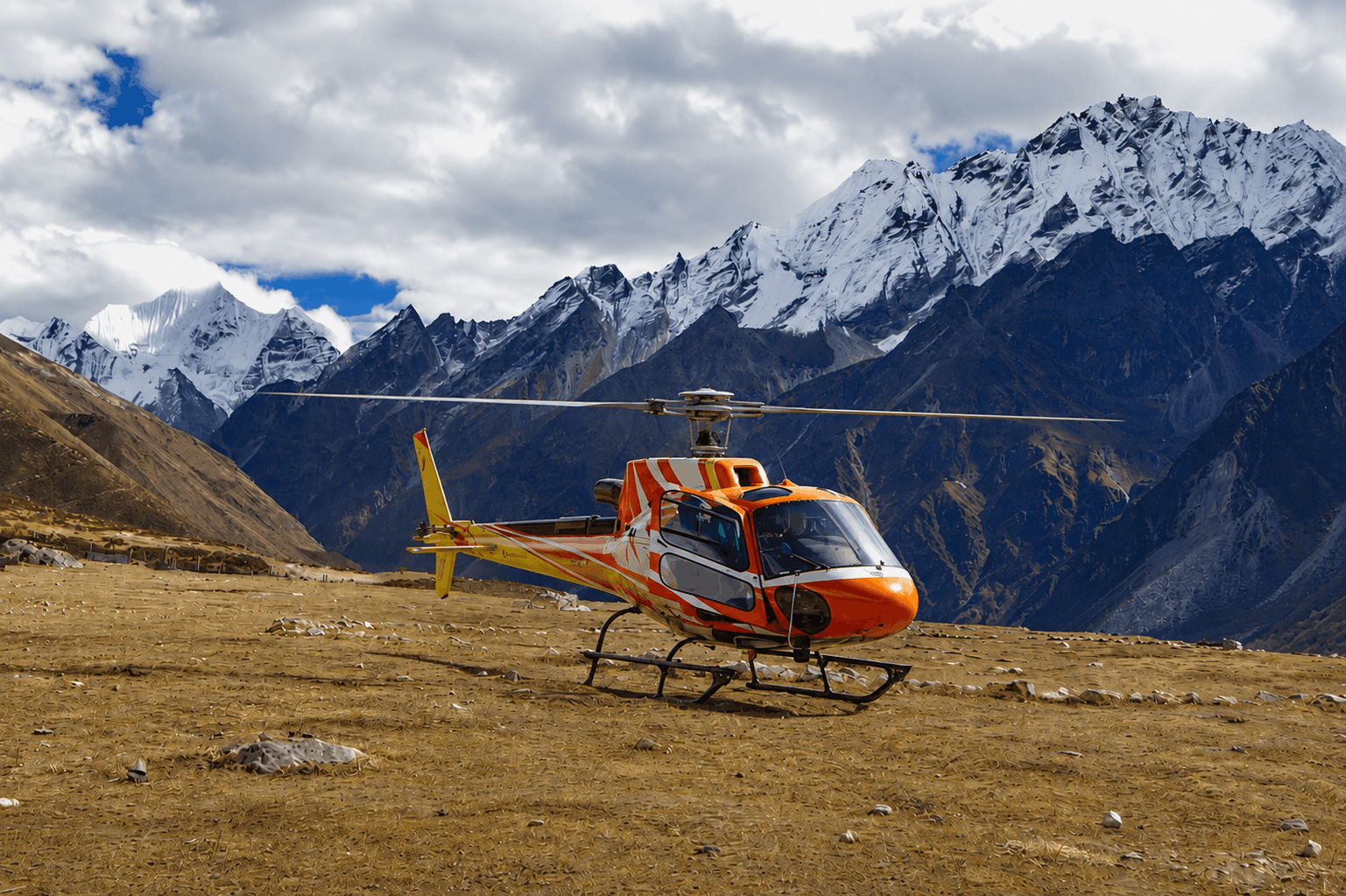
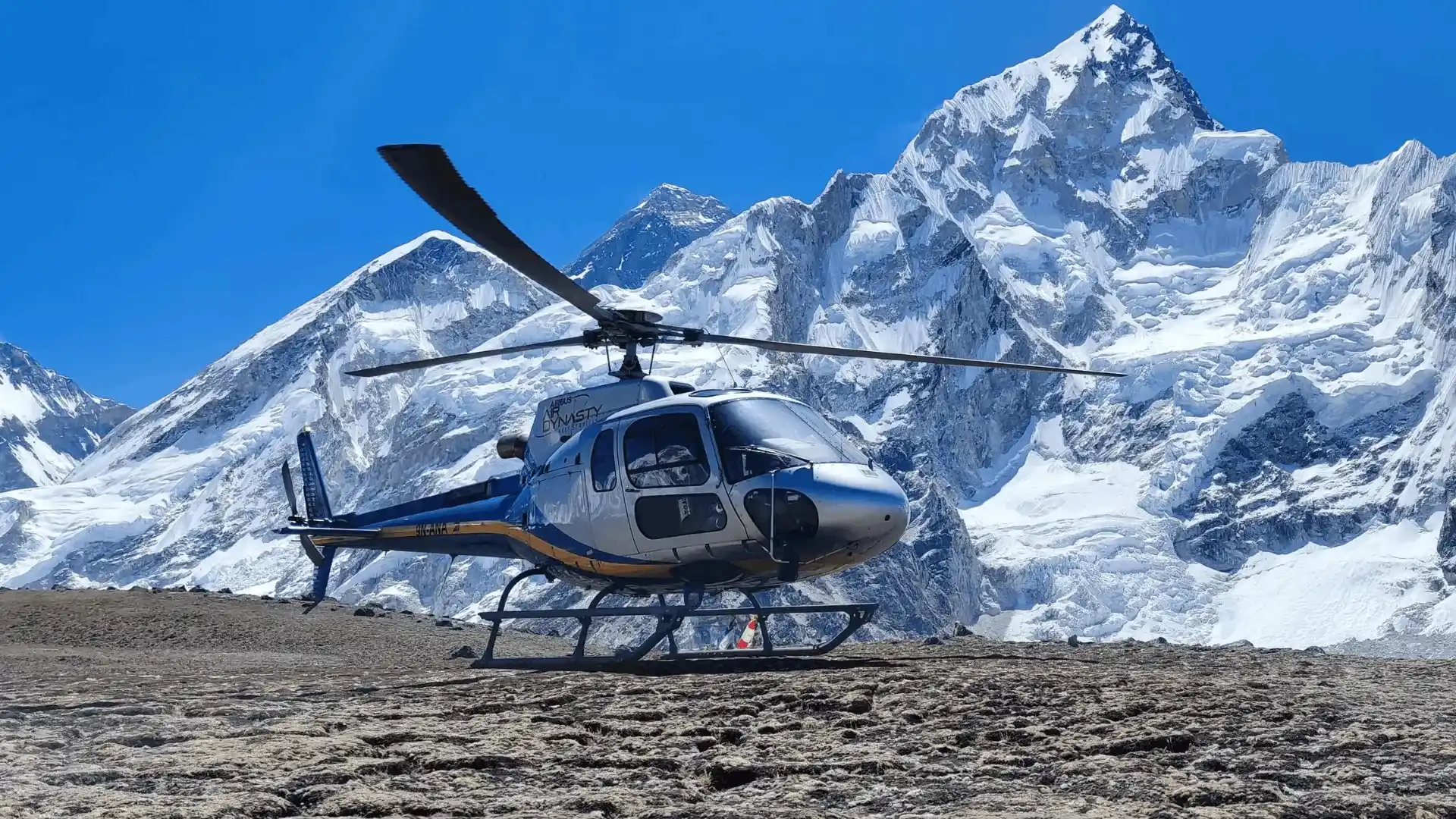
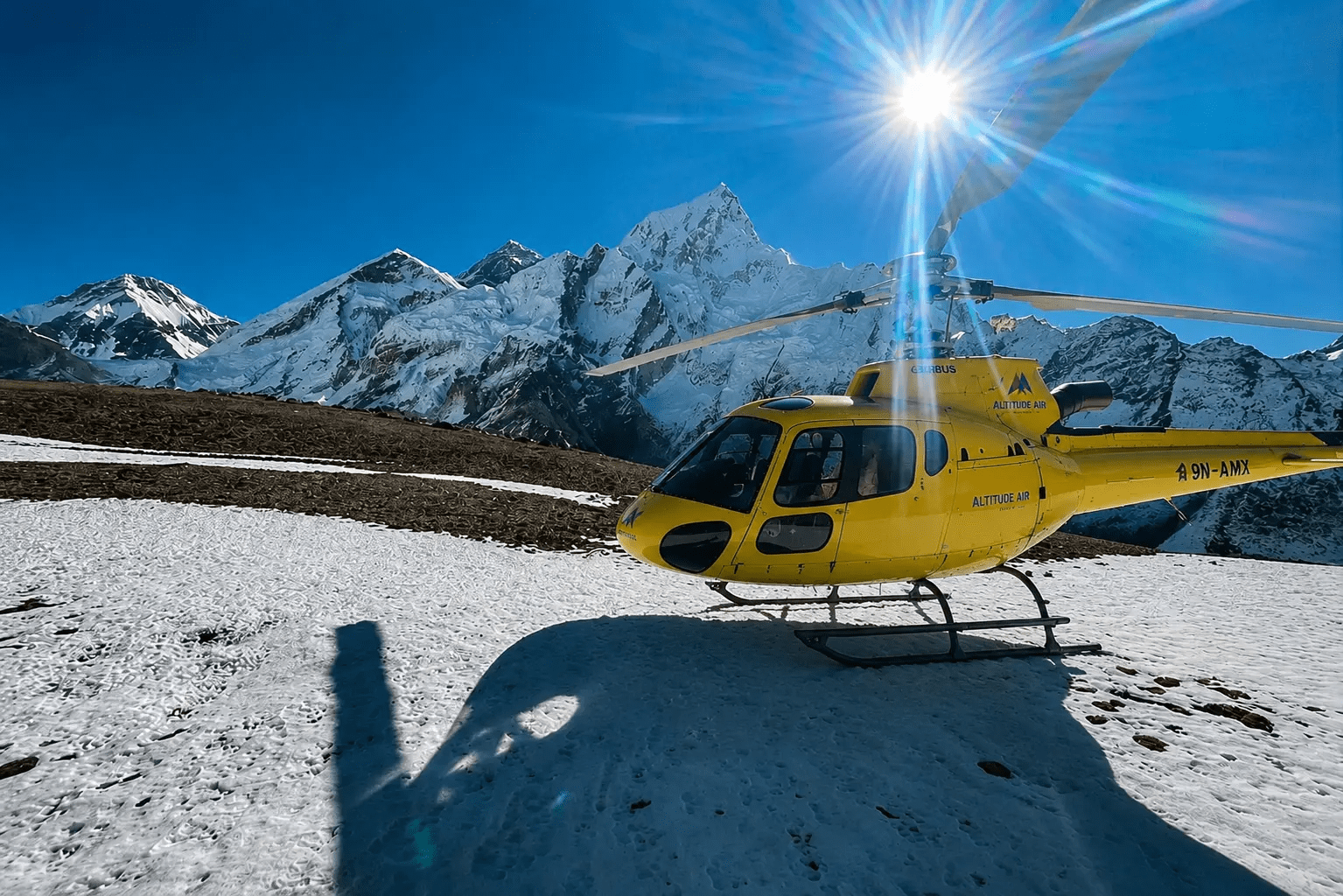
At the first landing, stay seated until the rotor slows fully, exit on the crew's signal, and never wander behind the machine. You will have 15-30 minutes on the pad. Keep moving slow at altitude, take composed instead of frantic photos, and hold the "money shot" - the panorama from the pad edge.
If the Weather Changes
Pilots decide in minutes: divert, hold, or return. Trust the call - a "no fly" morning is a pilot protecting you, and operators rebook you at the next window, often free of charge. A calm reaction from you keeps your whole group comfortable.
After You Land for Good
Your feet may feel springy for an hour as oxygen returns to normal - that is normal. Hydrate, eat, and back up your photos immediately. Then start planning the next route; first-timers rarely stop at one.
Frequently Asked Questions
Do I need to know how to swim for a helicopter flight?
No. Helicopters are not over large bodies of water on these routes, and no flotation requirement applies to passengers. There is no swimming test.
Is motion sickness common?
Occasionally on rough-mountain approaches. Advice: a light breakfast, eyes on the horizon, and (if your doctor agrees) a travel sickness pill in advance.
What happens if I am late for the departure?
The helicopter does not wait; the weather window is small. Arriving 30 minutes early is the rule - lateness means a reschedule fee or a missed day.
Represent a Helicopter Agency or Operator?
We welcome guest contributions from helicopter agencies and licensed operators who want to share original route guides, flying experiences, or practical safety knowledge with our readers. Each article is clearly labelled as a contributed guest post.
Write For Us



Comments (0)
No comments yet. Be the first to share your thoughts.
Leave a Reply