
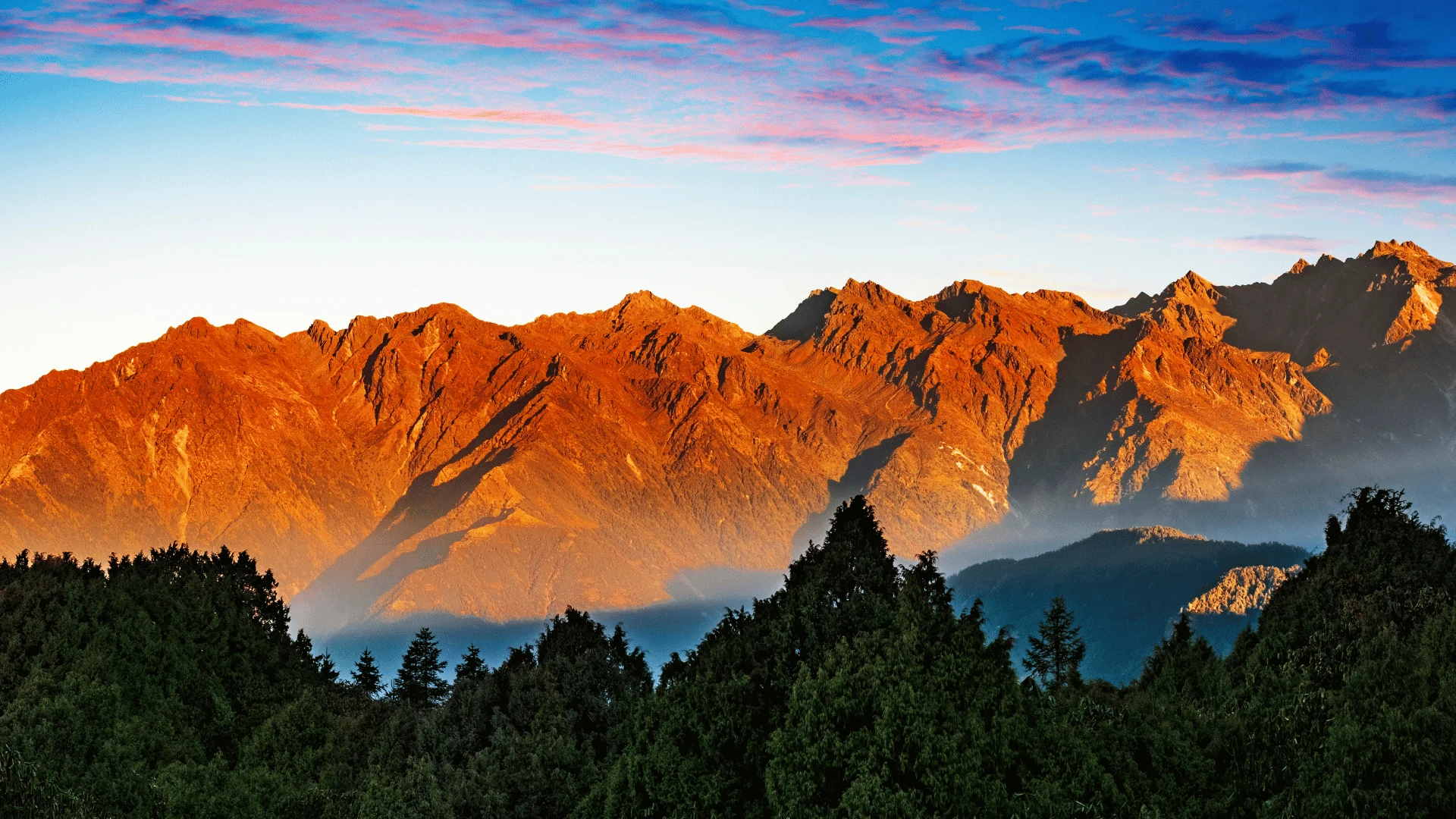
Helambu is the high, green world of the Hyolmo people - Sherpa kin who carry Tibetan Buddhism into Nepal, their villages strung with prayer flags and their headwalls crowned with white gompas. Close enough to Kathmandu to see from a short flight, it is the perfect aerial pilgrimage for travellers who want devotion without the expedition.
Who Are the Hyolmo?
The Hyolmo (Helambu Sherpa) are a Tibetan-heritage community settled along the ridges between the Indrawati and Melamchi rivers. Their monasteries preserve Nyingma scriptures, mask dances and ritual calendars that connect to the great Tibetan lineages. For pilgrims, Helambu is a living temple landscape, not a museum.
Tarkeghyang Gompa
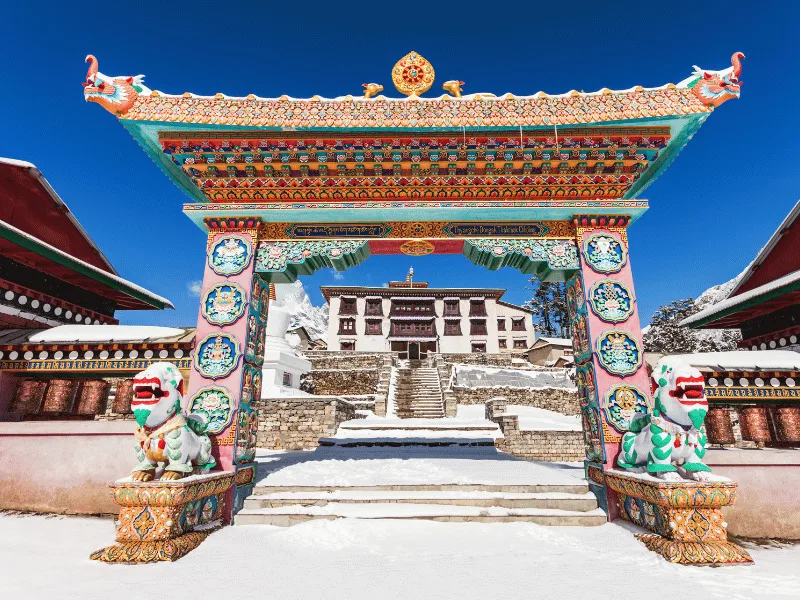
Tarkeghyang, the valley's spiritual heart, sits at roughly 2,600 metres with a celebrated gompa of the same name. Its shrine room holds ancient thangkas and a peaceful kora of prayer wheels; the village panorama - terraced fields plunging toward the mountain skyline - is among the loveliest in Helambu. A landing here is the defining moment of the tour.
The Sacred Geography From Above
- Mani walls and chortens: whitewashed stupa shrines mark every village approach, tracing ancient trails from the air as strings of small structure
- Sacred passes: the ridges connecting Helambu to Langtang are lined with cairns and prayer flags pilgrims add with every crossing
- Gompa clusters: Serpa, Tarkeghyang, Melamchi and the hidden hermitages of the southern face punctuate the green hillsides
- The border wall: on clear days the north ridge frames the Langtang range, giving the flight a Himalayan backdrop to the devotion below
Route and Duration
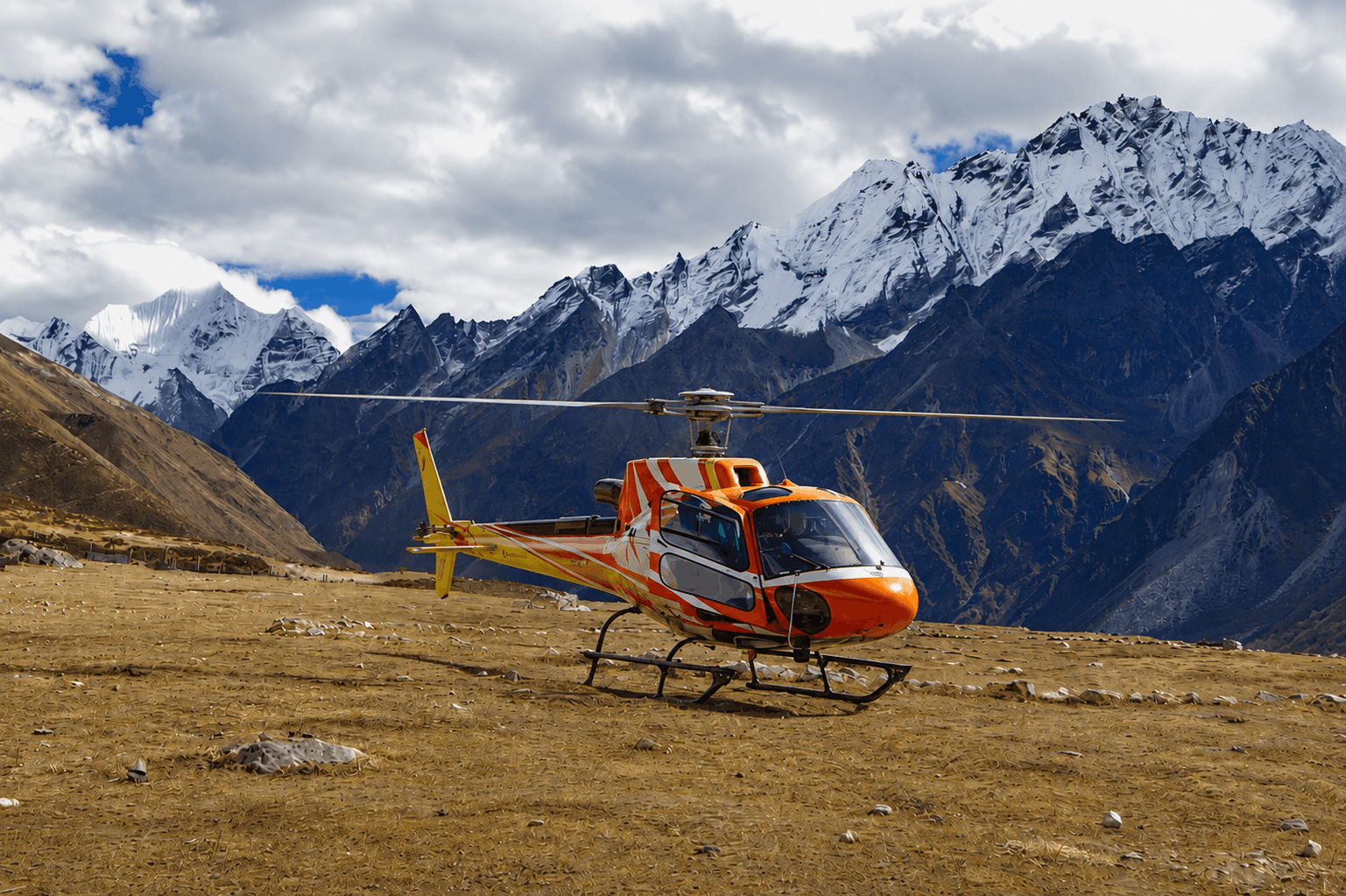
Departing Kathmandu, the charter climbs north-east over the Indrawati valley and the villages of Kot and Thokarpa before settling onto the Helambu ridgeline. Total time from terminal to return is commonly 60-90 minutes, with 40-60 minutes on the ground at the gompa stop.
Combining Helambu With a Longer Pilgrimage
Helambu works beautifully as a half-day add-on or as the first leg of a multi-stop sacred flight that continues to Gosaikunda - the holy lakes are the next valley over, and the same helicopters often stitch the two into one aerial prayer. Speak to your operator about a Helambu-Gosaikunda combination for a full sacred-morning experience.
Practical Notes
- Altitude is gentle (2,200-2,600 m); almost no acclimatisation is needed
- Wear comfortable walking shoes for the gompa kora and village paths
- Ask your operator whether private blessings or monastery visits can be arranged
- Carry small cash for the monastery donation bowl - a thoughtful gesture
- Confirm the landing pad used; Tarkeghyang versus Serpa changes the village you see
Frequently Asked Questions
Is Helambu open to helicopter landings year-round?
Most months, yes - the pads are lower than the classic high-altitude sites, so the weather window is wide. Heavy monsoon downpours can ground short hops briefly, and midwinter snow occasionally closes the upper village paths.
How much does a Helambu helicopter tour cost?
At roughly USD 1,200-1,900 per helicopter for three to five passengers, it is among the more affordable sacred charters and a popular private-family offering.
Can I trek in Helambu and fly out?
Yes - the classic "trek up, fly down" works here too: follow the Helambu circuit for four to six days, then call the helicopter from a village pad for the return to Kathmandu.
Represent a Helicopter Agency or Operator?
We welcome guest contributions from helicopter agencies and licensed operators who want to share original route guides, flying experiences, or practical safety knowledge with our readers. Each article is clearly labelled as a contributed guest post.
Write For Us



Comments (0)
No comments yet. Be the first to share your thoughts.
Leave a Reply