
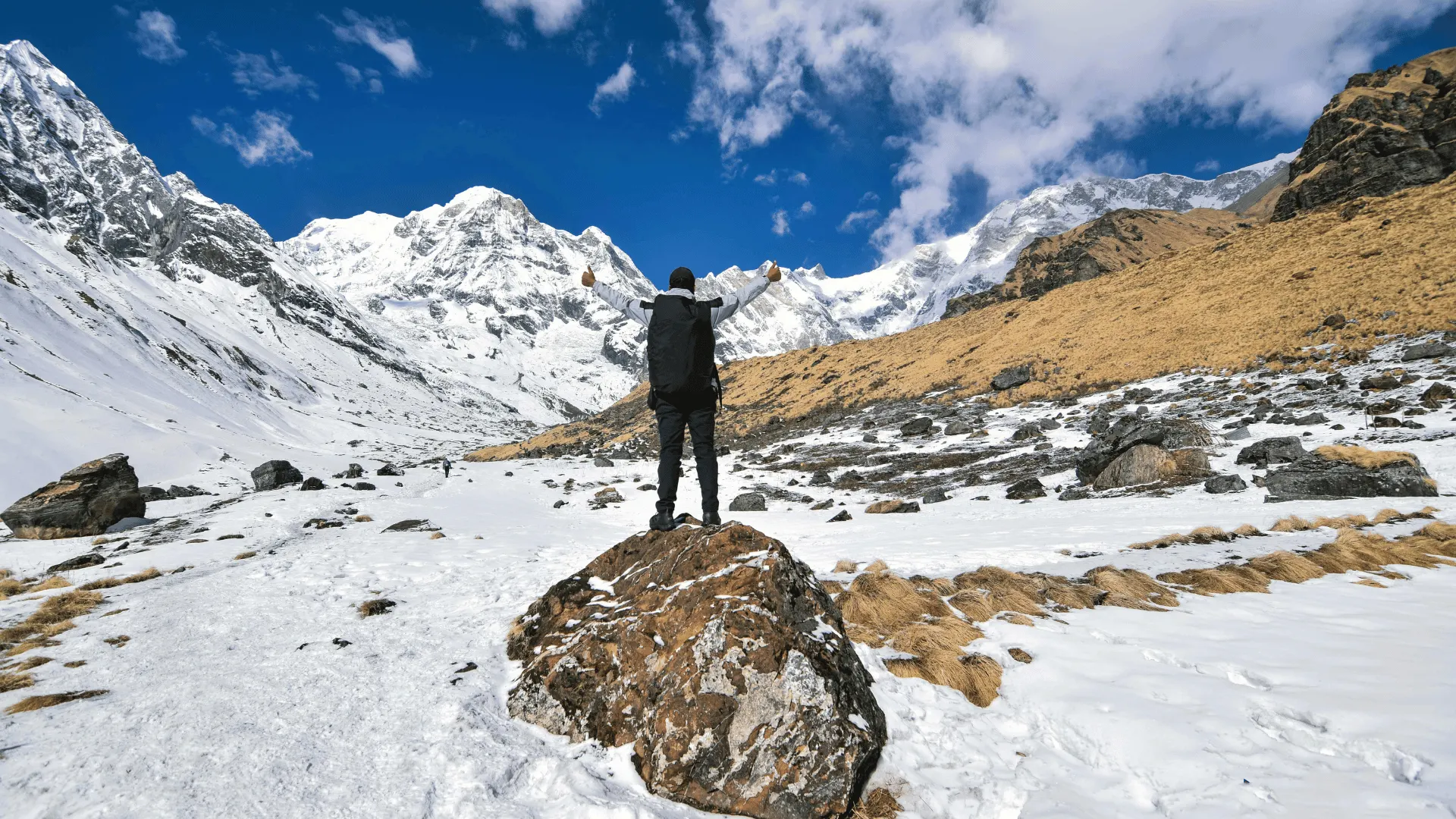
Heli trekking is Nepal's cleverest trick: pack the soul of the trail - the mornings, the teahouses, the ridge walks - then let a helicopter collapse the long return into a half hour of wonder. It is the trekking experience for people who love the going down part least.
The Core Idea: Trek Up, Fly Down
Instead of a loop or a retraced descent, you walk one-direction and fly out. A typical week-long EBC trek becomes four days up to Gorakshep and a helicopter back to Kathmandu. The physical strain halves while the summit memory remains whole - and the descent becomes the highlight photograph, not the chore.
Why Nepalis Laugh at the Name
Call it climbing the mountain with a shortcut, or flying your knees' applause. Operators have run trek-and-fly packages for decades, and local guides sell exactly this to trekkers returning from a hard section. The name matters less than the method: walk what you want, fly what you skip.
Classic Trek-Up/Fly-Down Pairings
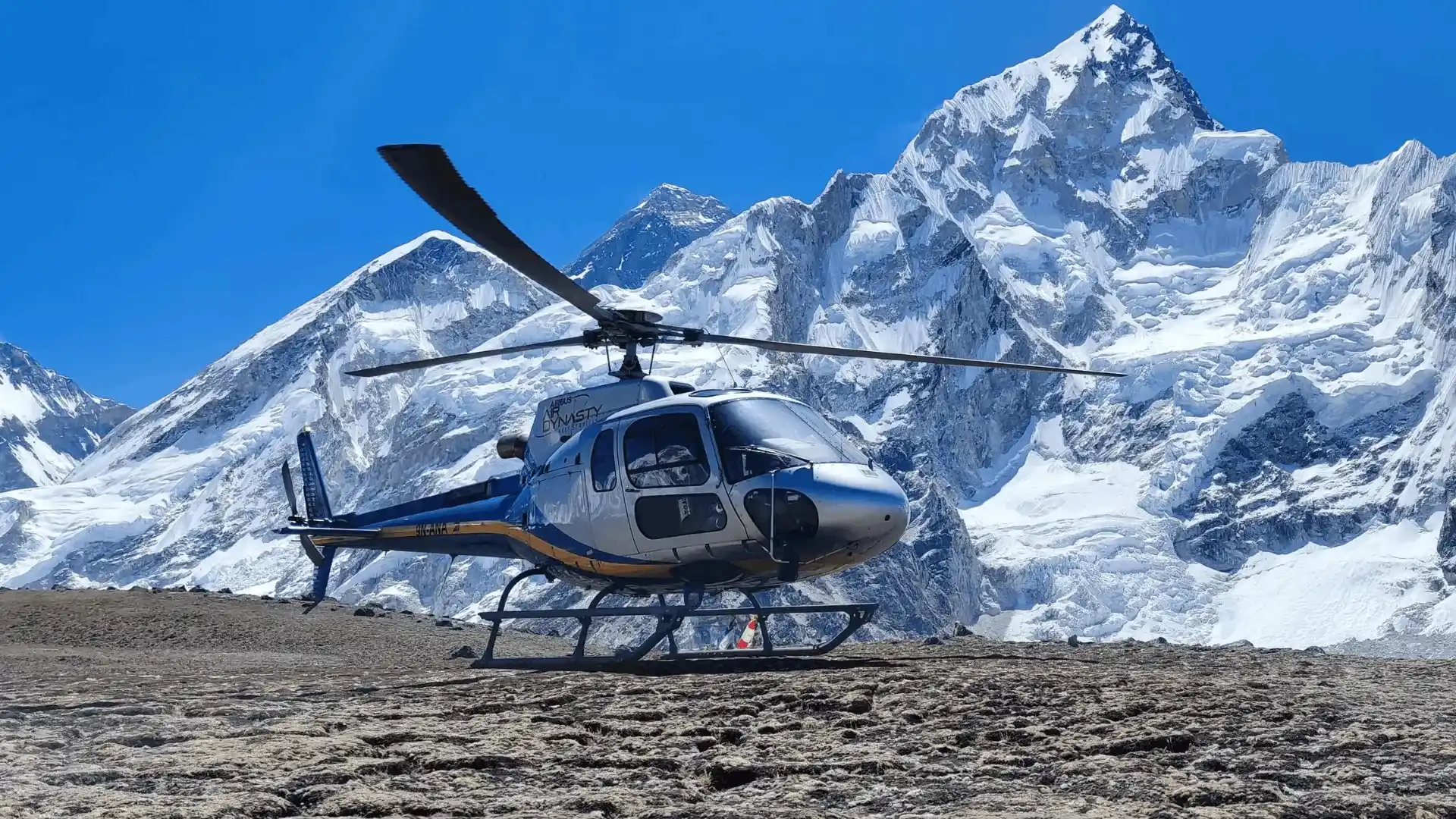
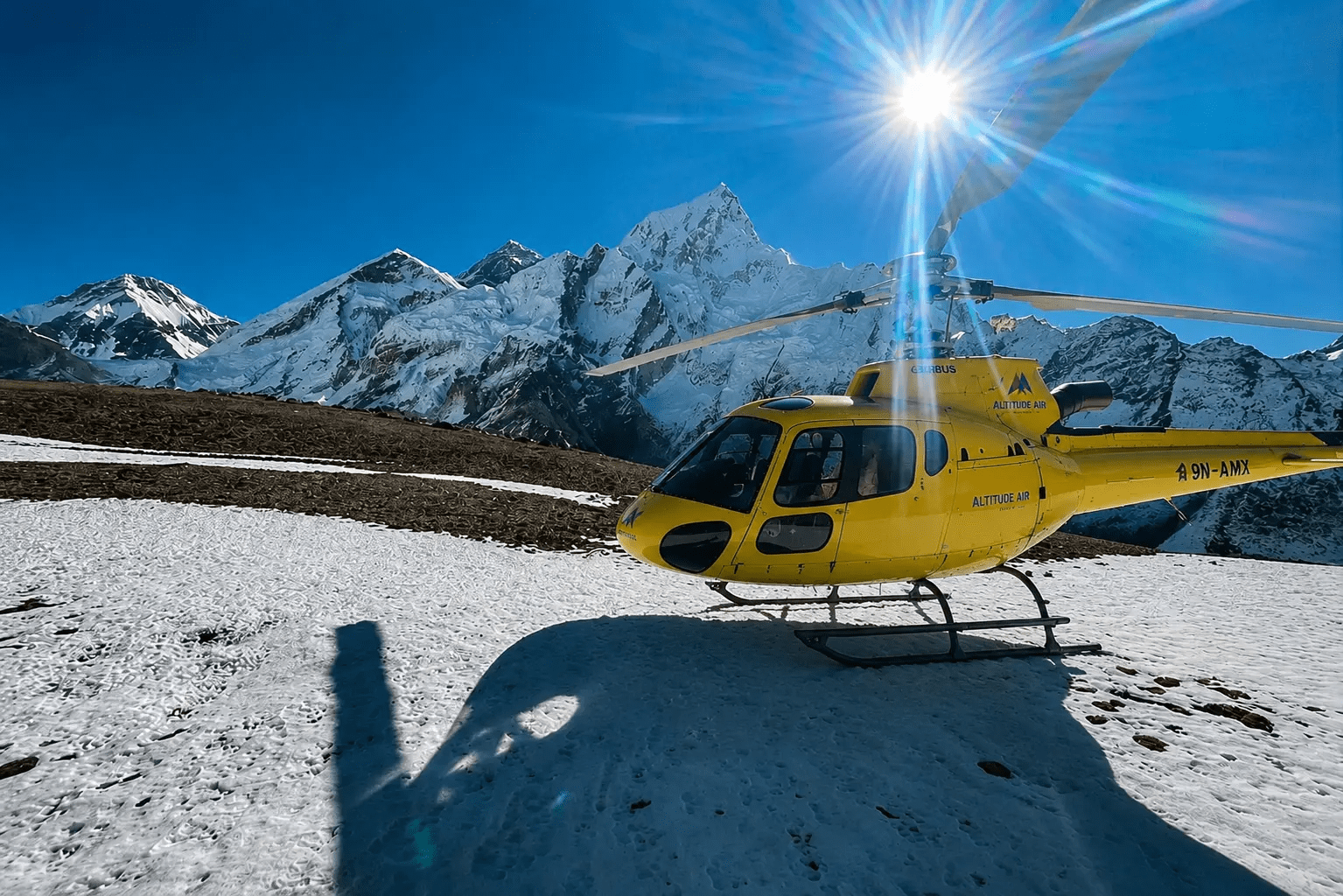
- Everest Base Camp: trek to Gorakshep, fly out from the EBC pad or Kalapatthar area
- Annapurna Base Camp: walk up through the sanctuary, fly out from ABC
- Langtang: reach Kyanjin Gompa, helicopter exit to Kathmandu or Syabrubesi
- Gokyo Valley: after the lakes' ridge, ride out over the Ngozumpa glacier
How the Exit Flight Works
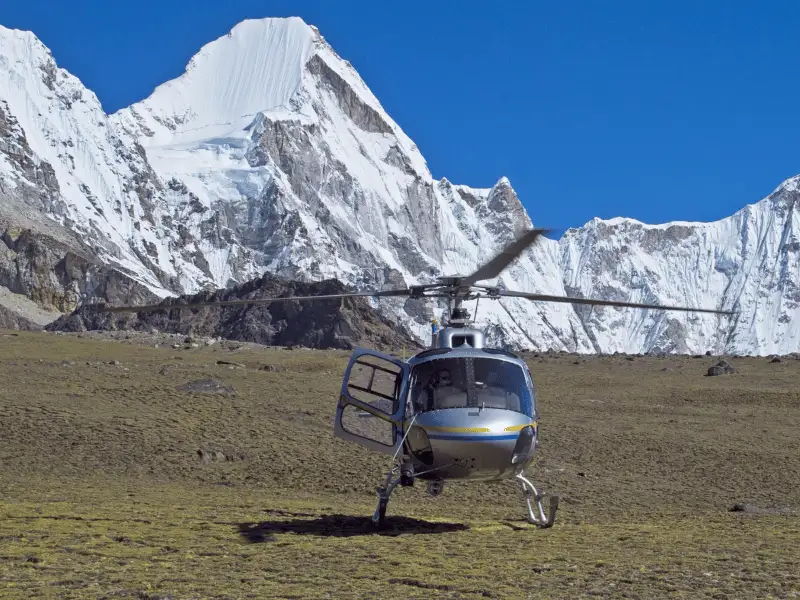
You arrange the pickup day and time with the operator before the trek, with a radio fallback plan plus a buffer day buffer call. On the morning of exit the machine arrives at the agreed pad, space is confirmed, and you board for the lowland. Porters and gear fly with you as weight allows; a third of the cabin seats or cargo space is standard.
Costs and Logistics
A single one-way helicopter from Gorakshep to Kathmandu typically runs USD 2,800-4,000 for the whole machine. Split across the trekking group, that often beats the price of extra lodge nights and the 5 days you save. Book the exit flight at home alongside your arrival licence; flexibility clauses matter here as much as price.
Who Should Try It
Knee-honest 60-year-olds, professionals with eleven days instead of sixteen, parents who will not let kids suffer the return slog, and photographers who want the ridge light both directions. Anyone who would rather save the descent for storage space in a memory card should pick a fly-out.
A Balanced Warning
The descent is part of the trail's story - some trekkers love the long downhill tea-time rhythm. Fly-outs also depend on the same strict weather windows as tours, so keep one flexible exit day. The hybrid rewards planning, not impulsiveness.
Frequently Asked Questions
Can I fly down from any altitude?
Only from approved pads and with performance margins for the load. Gorakshep, Kyanjin, ABC and the Gokyo pad are the standard exits; higher informal spots need a captain's confirmation on the day.
Is a fly-down heavier on the environment than trekking out?
Per passenger kilometre it is more fuel-intensive, but the mode you skip - the full descent - is offset by shorter resupply logistics and fewer lodge-days. Ask your operator about offset options if the footprint matters to you.
Do I need experience to plan this?
No - any licensed operator can arrange the exit for a first-timer who can point to a trail map. The trickiest step is the weather buffer, and a well-run operator handles that with a booked retry day.
Represent a Helicopter Agency or Operator?
We welcome guest contributions from helicopter agencies and licensed operators who want to share original route guides, flying experiences, or practical safety knowledge with our readers. Each article is clearly labelled as a contributed guest post.
Write For Us



Comments (0)
No comments yet. Be the first to share your thoughts.
Leave a Reply