
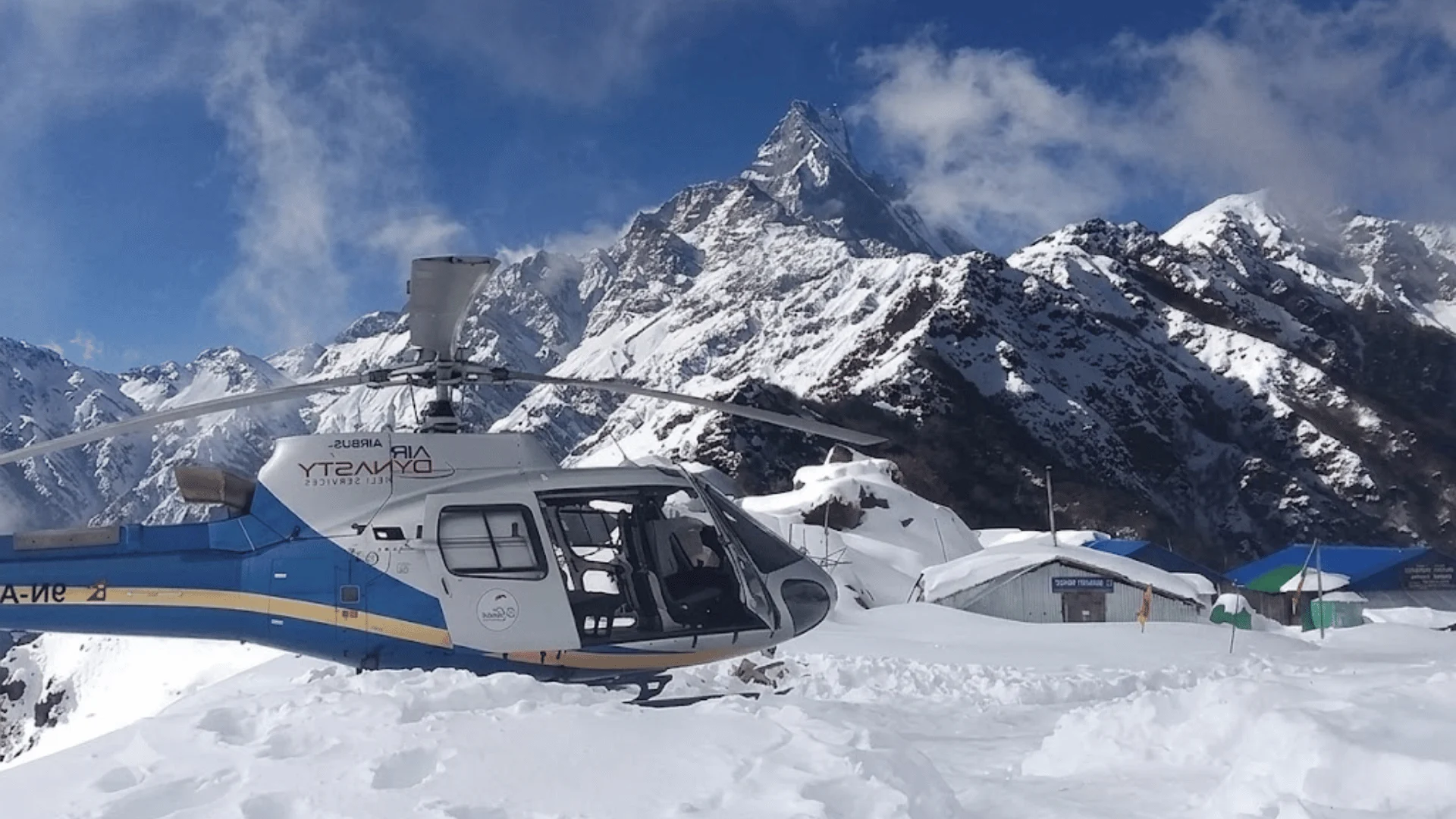
Nepal's tour helicopters are a specialist pack: airframes engineered to lift tourists, fuel and cargo to 4,500 metres while keeping margins slender and cabins comfortable. Knowing the fleet explains a lot about why your Everest flight feels so capable.
The Alpine Backbone: H125 / AS350
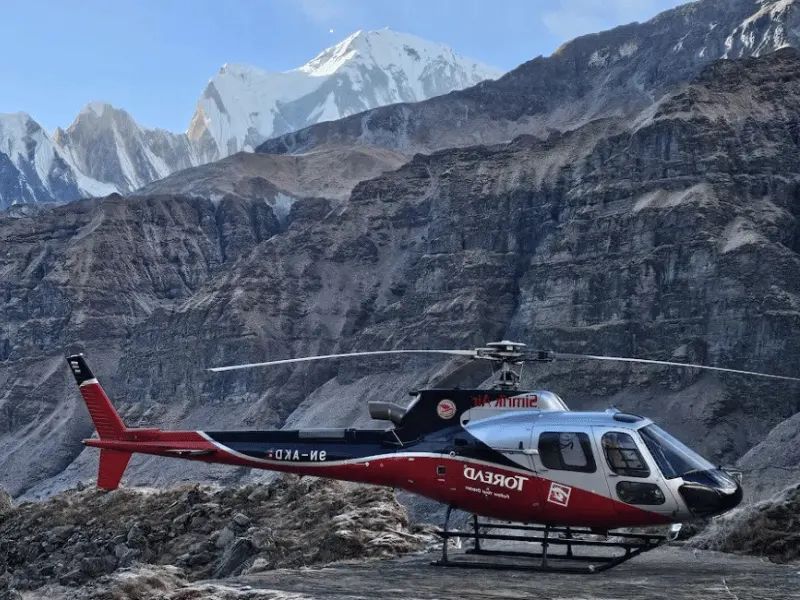
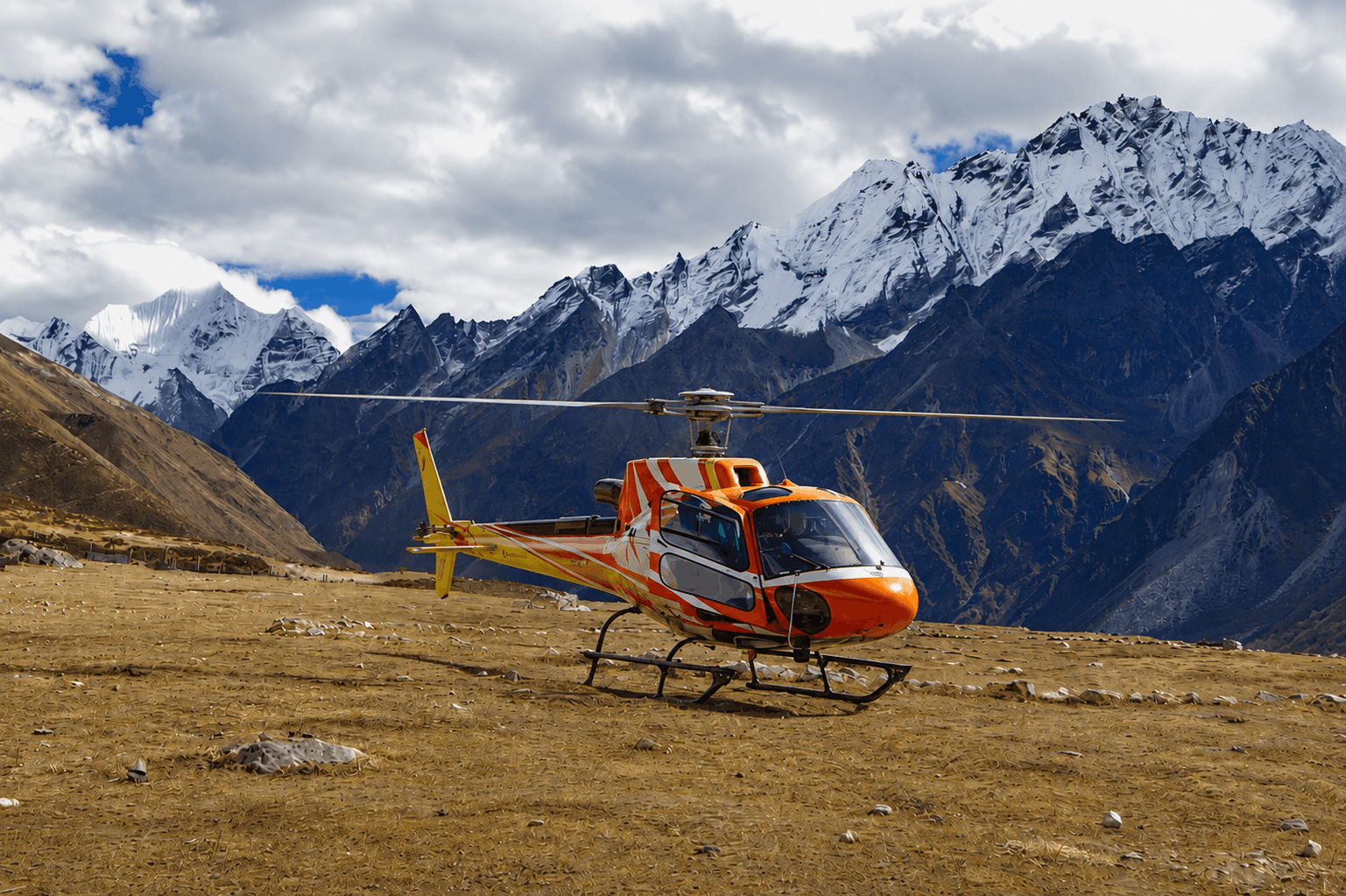
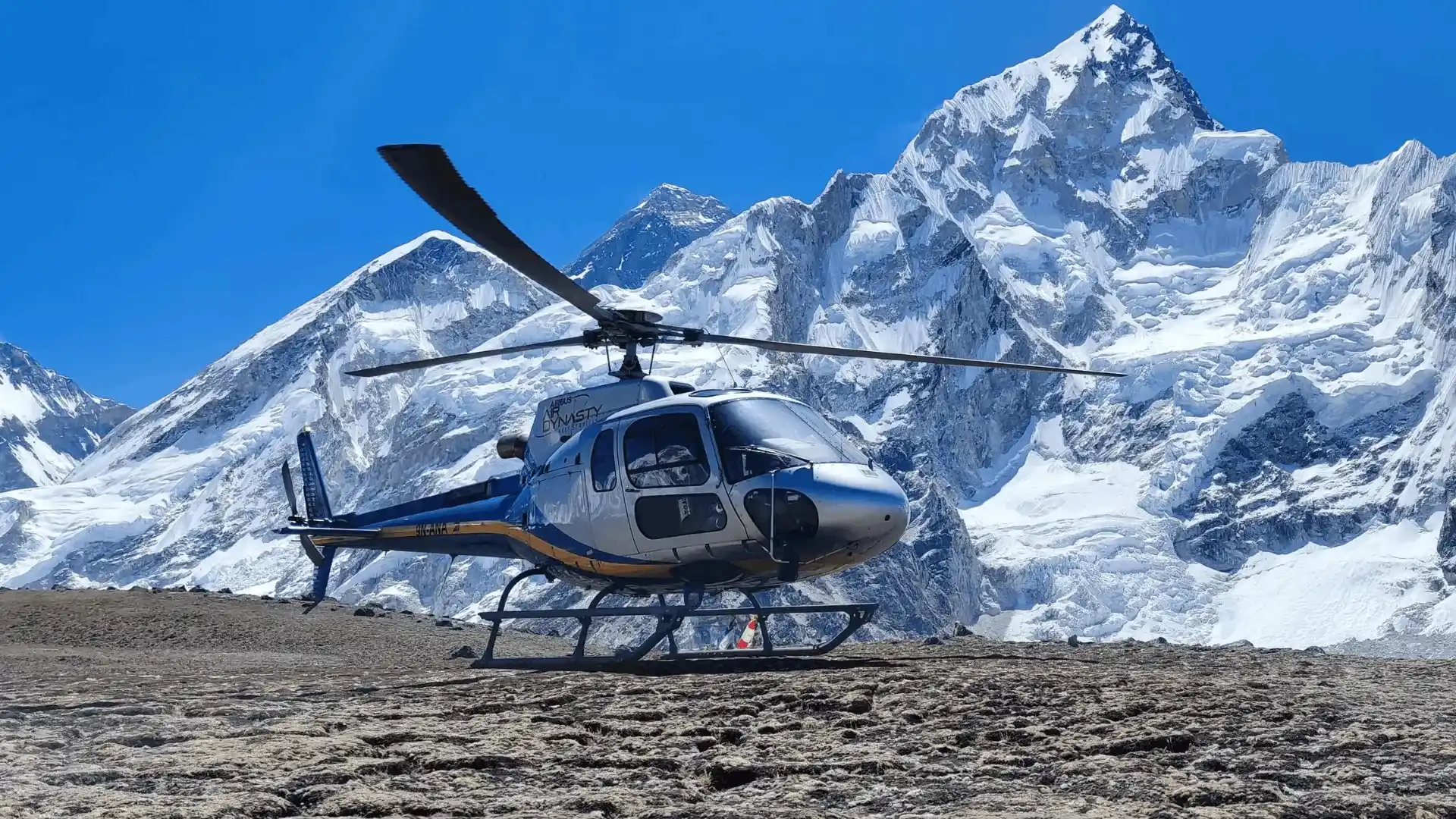
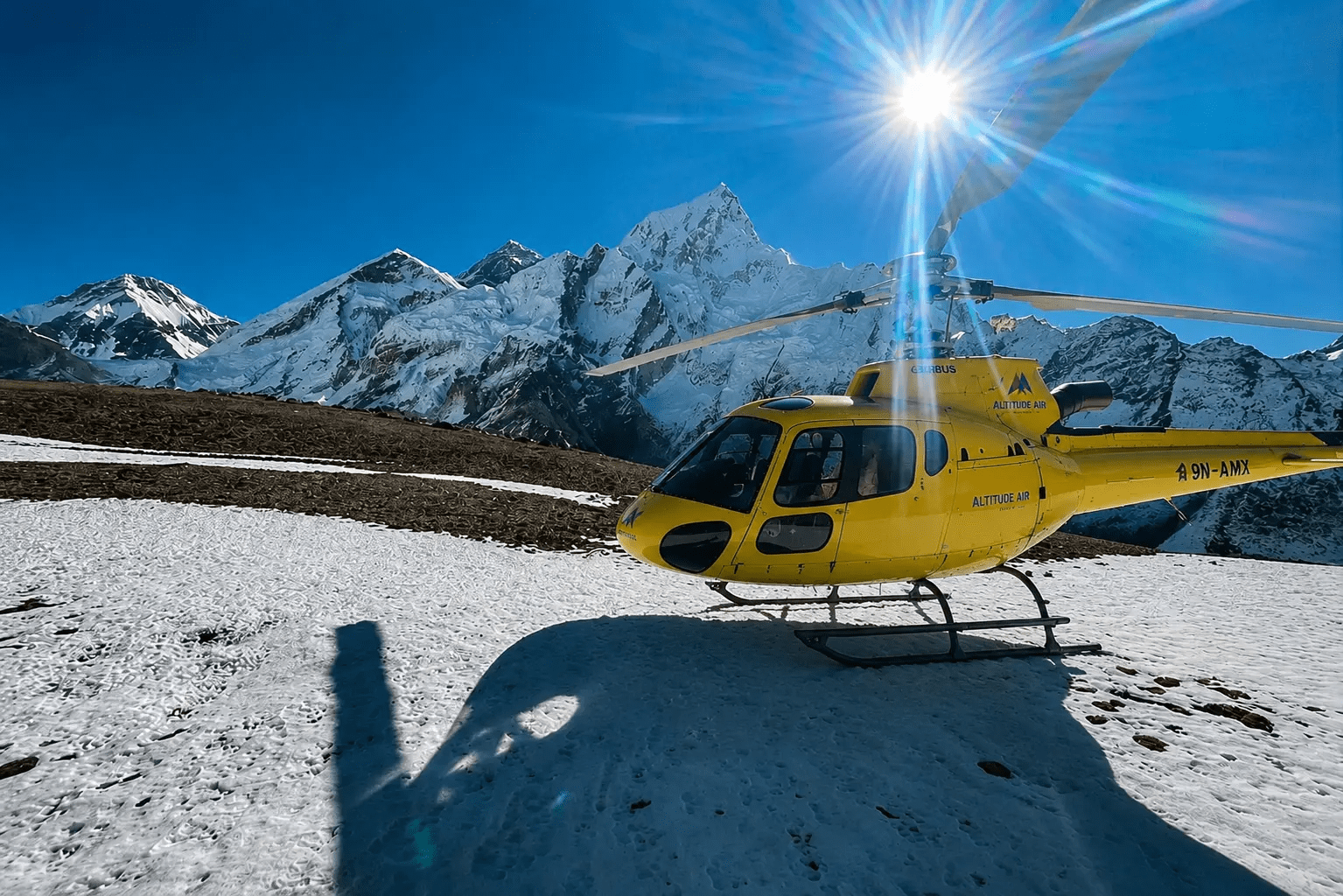
The Airbus H125 (formerly AS350 B3) is the workhorse of Himalayan tourism. Its single engine, superb power-to-weight ratio and high-altitude certification make it the machine of choice for Kalapatthar and Everest Base Camp landings. It reliably carries four passengers plus the pilot in the high thin air where other types would falter.
The Versatile Bell 407
The Bell 407 seats six in a roomier cabin with distinctive low tail boom, used for sightseeing, VIP flights and many standard routes. It balances cabin comfort with strong mountain performance, favouring travellers who value window space and legroom.
Heavier and Specialised Types
Larger twin-engine helicopters (the H145 class and similar) serve long-range charters, medevac, cargo and expedition support, and occasionally high-value tourist groups needing extra capacity. They are heavier, pricier and fly fewer pure-tour hours.
How Fleet Choice Affects Your Flight
- High-altitude landings: the H125 excels; it is the dependable EBC machine
- Cabin comfort: Bell 407 offers more space; H125 trades a little for climb performance
- Seat count: four-to-five seaters fill all tourist seats; heavier types change the math
- Noise and vibration: modern turbine types are quieter and smoother than older airframes
Why the H125 Dominates
No type better matches the Khumbu's demands: certified for the high-altitude pads, proven across decades of Himalayan operations, and favoured by the operators with the deepest route records. Its dominance reflects engineering trust, not marketing habit.
Asking the Right Fleet Questions
When booking, ask: "Which model and tail number will fly my route, and how many does it seat?" A company that names its machine shows fleet transparency. Confirm the aircraft is certified for your planned landing altitude - at EBC, that certification is the difference between a promise and a pad.
Frequently Asked Questions
Are older helicopter models less safe?
Airworthiness depends on maintenance and certification, not age alone. A well-maintained older turbine flown to standards is safe; an airworthy, current-approved certificate is the real test regardless of year.
Can I request a specific helicopter model?
Often, for private charters - operators will match an H125, Bell 407 or heavier type to your group and route for the appropriate price. Confirm availability at booking.
Do all companies fly the same models?
Most standardise on the H125/AS350 family with some Bell and twin-engine additions; the mix varies by operator's mission profile (tour vs cargo vs medevac).
Represent a Helicopter Agency or Operator?
We welcome guest contributions from helicopter agencies and licensed operators who want to share original route guides, flying experiences, or practical safety knowledge with our readers. Each article is clearly labelled as a contributed guest post.
Write For Us



Comments (0)
No comments yet. Be the first to share your thoughts.
Leave a Reply