
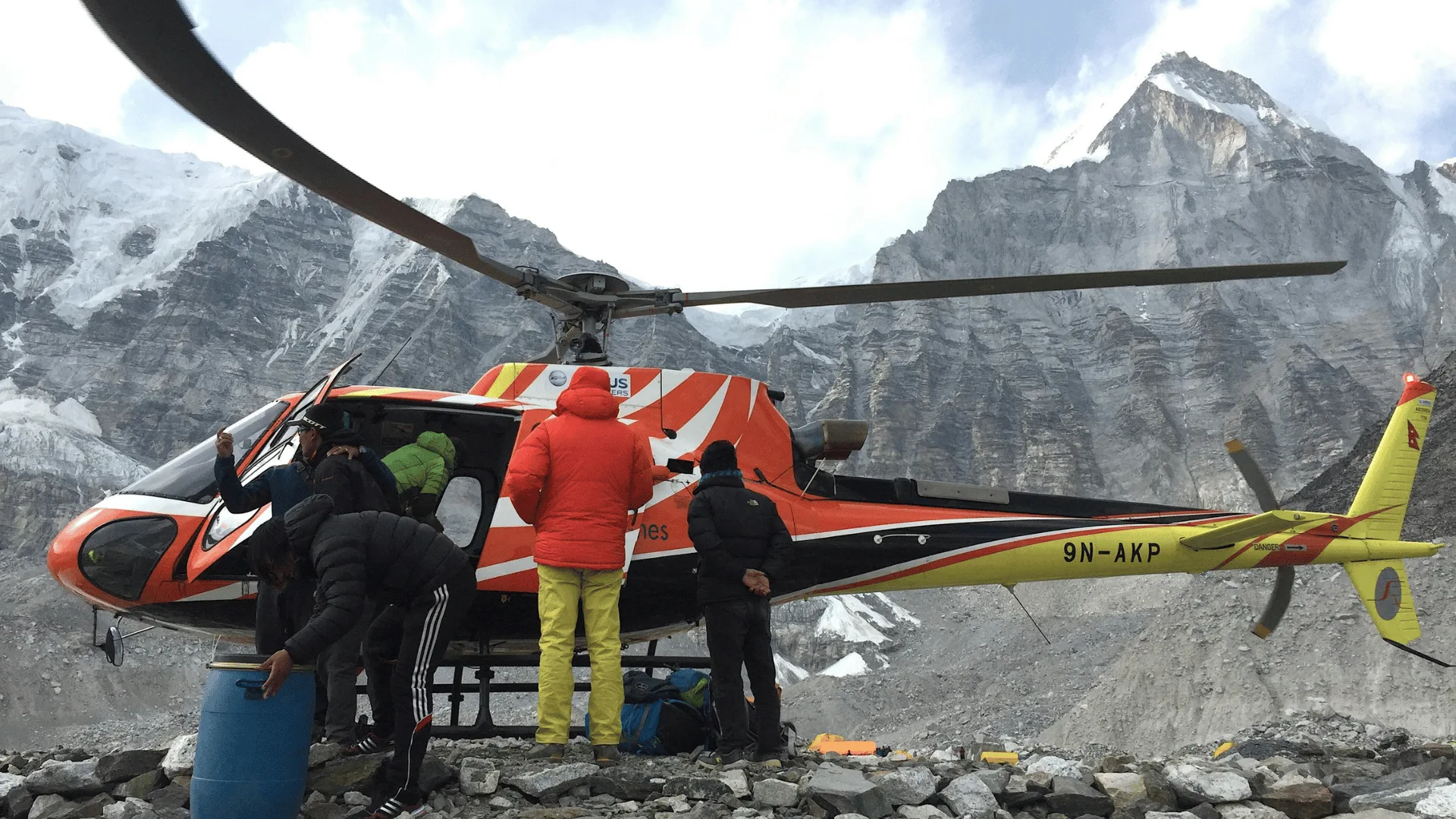
Nepal flies helicopters over some of the most demanding terrain on Earth, and it does so thousands of times a season. The reason the schedule holds - and the reason stories of safe landings outnumber incidents by a wide margin - is a layered safety culture that starts before you ever reach the pad.
The Oversight Layer: CAAN
Every commercial helicopter in Nepali airspace files under an Air Operator Certificate from the Civil Aviation Authority of Nepal. AOC holders face periodic audits, fleet inspections, dispatch-rule reviews and mandatory incident reporting. If a machine loses its certificate, it does not fly; there is no grey zone.
The Maintenance Layer: The 12-Hour Discipline
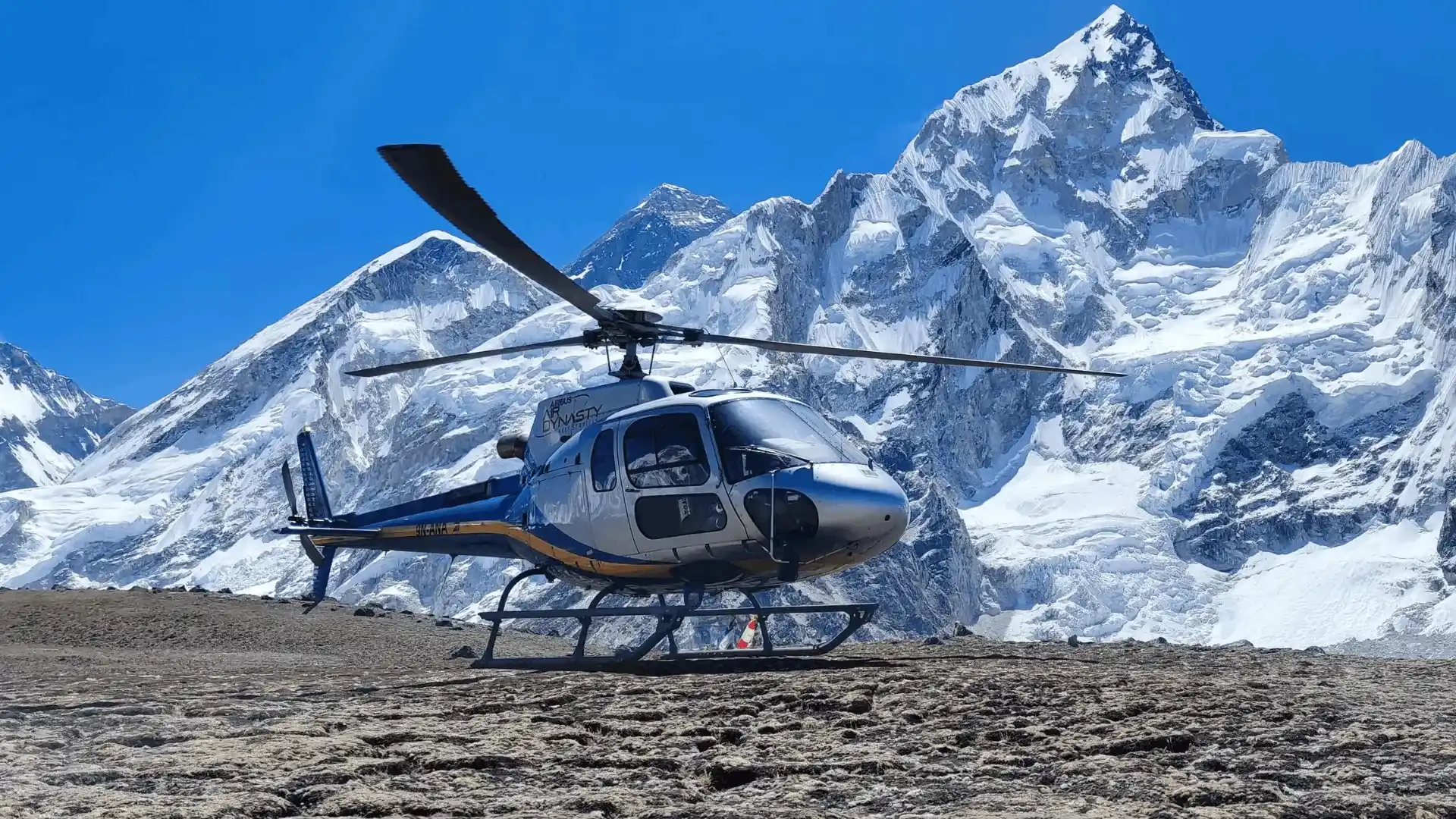
Turbine helicopters run on scheduled maintenance cycles measured in flight hours and calendar days, not good intentions. A typical H125 or AS350 in tour service receives daily and transit checks by licensed engineers, with deeper inspections at defined intervals. You will often see the engineering team at the pad - a good sign, not an inconvenience.
The Crew Layer: Mountain-Experienced Pilots
Tour captains log the majority of their hours in the very valleys you fly. Mountain flying is a distinct discipline: reading katabatic winds, spotting cloud chew, planning margins into every approach. Experience in the Khumbu beats experience in the lowlands when it comes to the seat behind you.
The Weather Layer: The Go/No-Go Decision
At the core of Himalayan rotorcraft safety is a non-negotiable go/no-go call. If summit cloud, visibility, or wind speed cross the operator's thresholds, the flight does not depart - regardless of the customer's enthusiasm. Older travellers sometimes call this rigid; safe operators call it their single most important red line.
The Red Lines Nobody Crosses
- No flying above the airframe's certified ceiling or weight allowance
- No entering cloud or marginal terrain without VFR margins
- No landing at pads outside approved or surveyed dimensions
- No exceeding crew duty, rest or currency requirements
- No unapproved pilots, beaconed as such and gun-led
What You See at a Safe Helipad
A genuine safety culture is visible in minutes: a weight-and-balance sheet with your names, a detailed passenger briefing, life assurance paperwork, routine engine checks before boarding, crew speaking calmly through the pad walk. If the operator hurries these, they are betting your day against their shortcuts.
The Passenger Contribution
Safety remains a two-party contract. Declare your true weight and medical conditions, follow every hand signal, stay with the crew at landings, and fasten your harness as briefed. The most experienced pilots in Nepal still rely on their passengers holding up the same standards on which they insist.
Frequently Asked Questions
Do helicopters fly at night in Nepal?
Routine commercial tours do not. Night rotorcraft flight in Nepal is limited to dedicated emergency and medevac roles with special approvals; your day tour operates strictly between dawn and the weather window.
What is VFR and why does it matter?
Visual Flight Rules mean the pilot must see the terrain and sky. Nepal's mountain tours are VFR-only, which is precisely why weather discipline is absolute - no pilot can legally "cheat" into cloud.
Are two-engine (twin) helicopters safer in Nepal?
Twin-engines add redundancy for emergencies and are used for some long-range or medevac work. Single-engine H125/AS350 class fly the bulk of tourism safely within strict VFR margins. Safe operation matters more than engine count.
Represent a Helicopter Agency or Operator?
We welcome guest contributions from helicopter agencies and licensed operators who want to share original route guides, flying experiences, or practical safety knowledge with our readers. Each article is clearly labelled as a contributed guest post.
Write For Us



Comments (0)
No comments yet. Be the first to share your thoughts.
Leave a Reply