
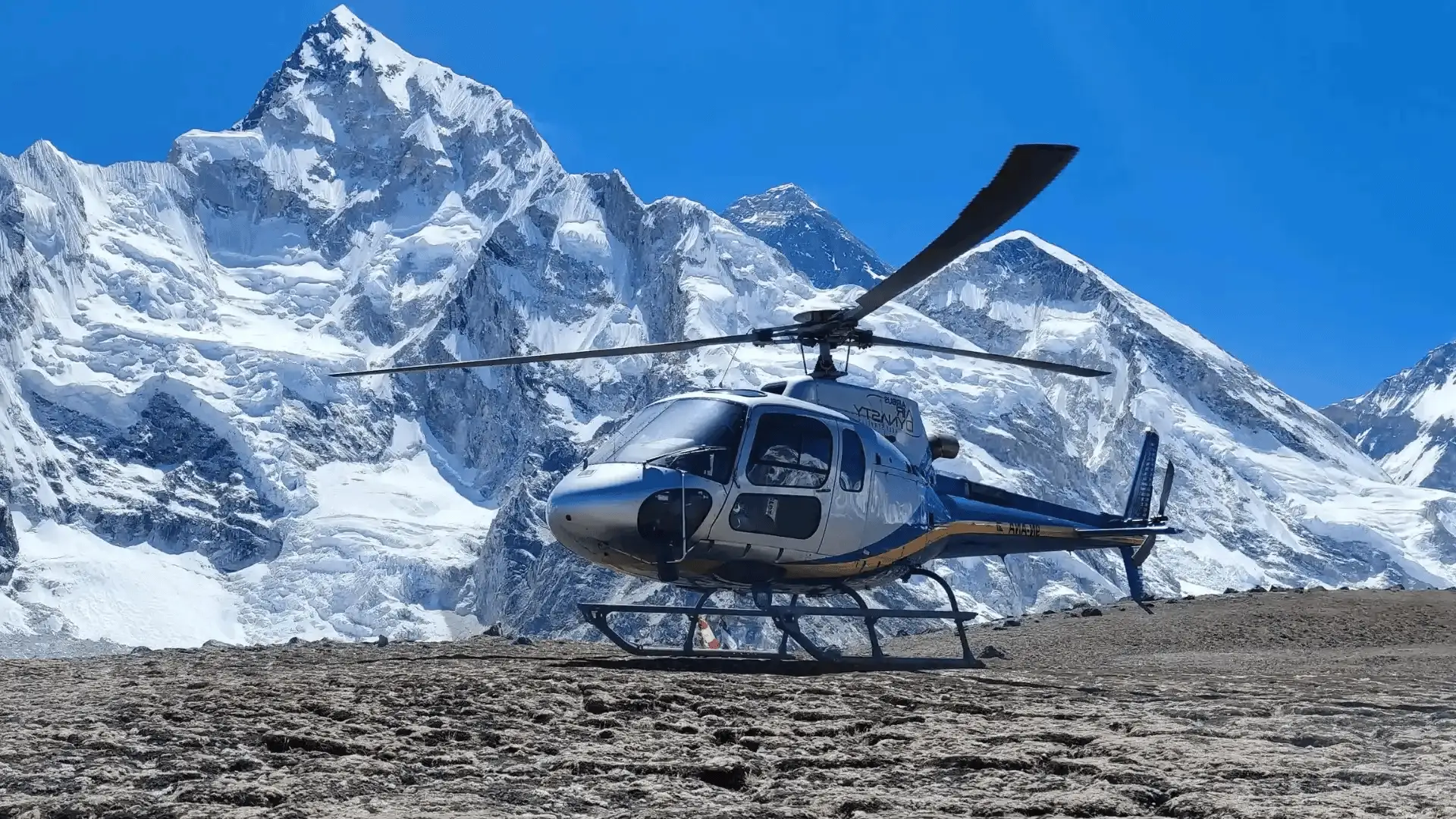
Beneath the glamour of a Himalayan landing sits a revolution in small-aircraft engineering - new turbines, better displays and quieter cabins quietly upgrading what a Nepali helicopter tour feels like, and how safely it flies.
Newer Airframes, Better Margins
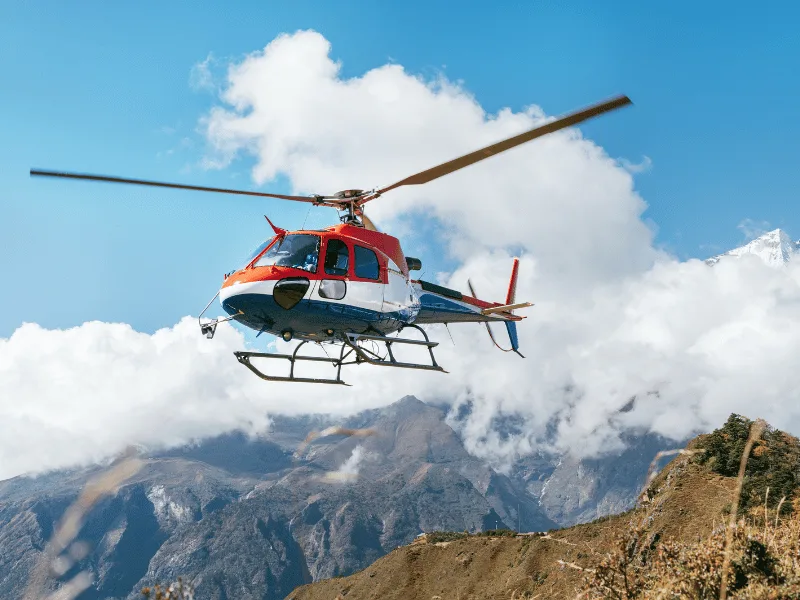
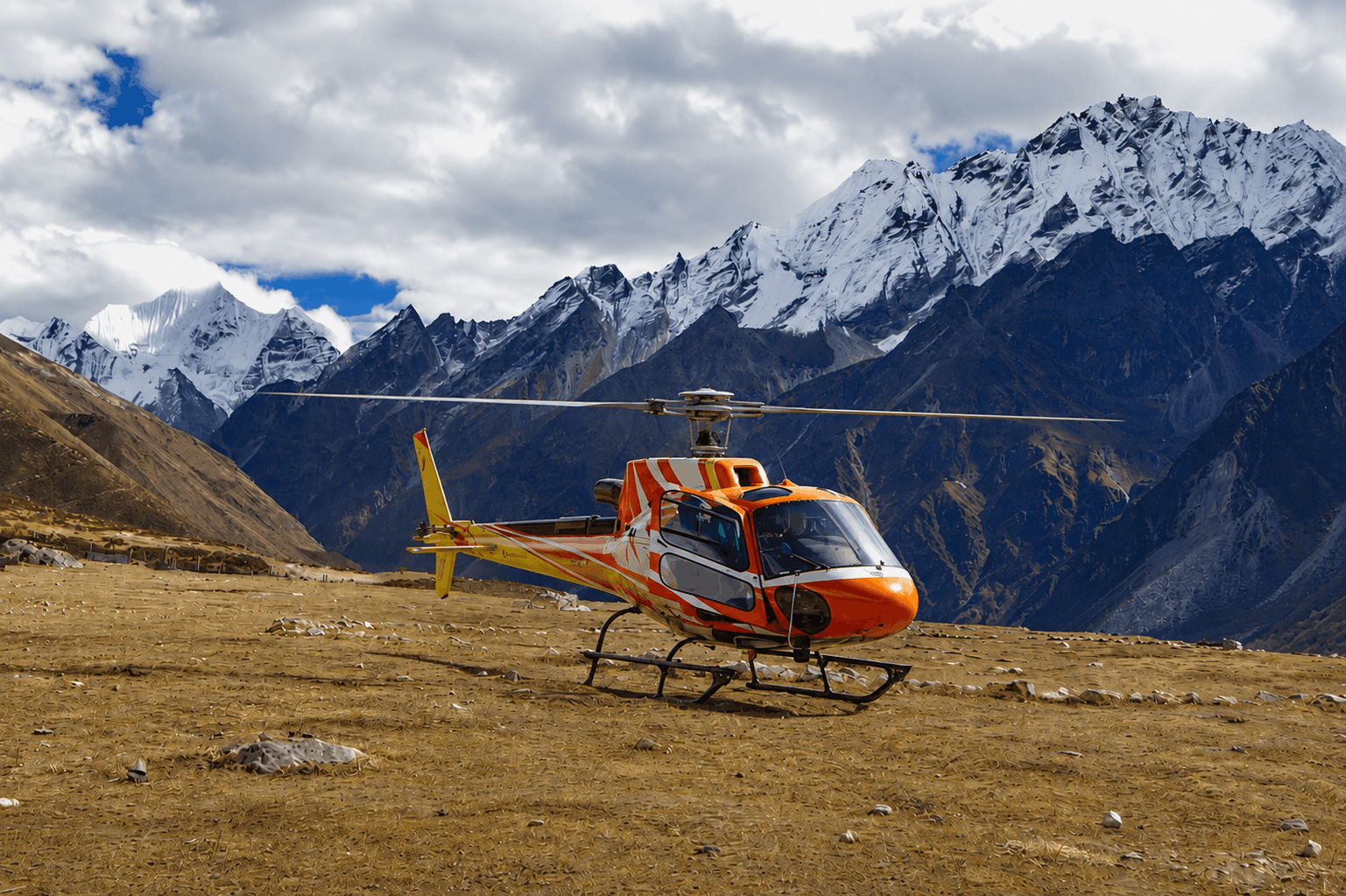
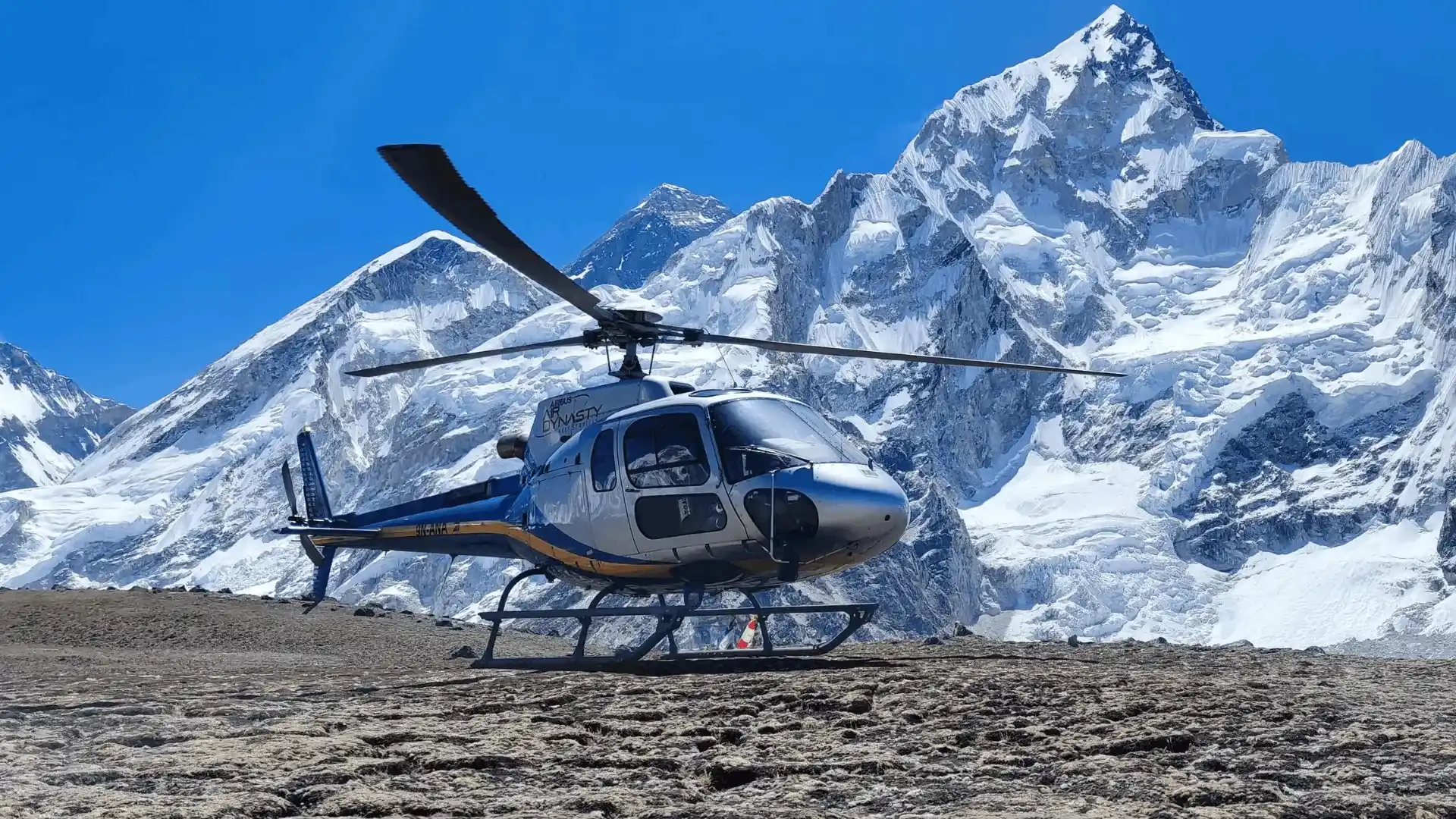
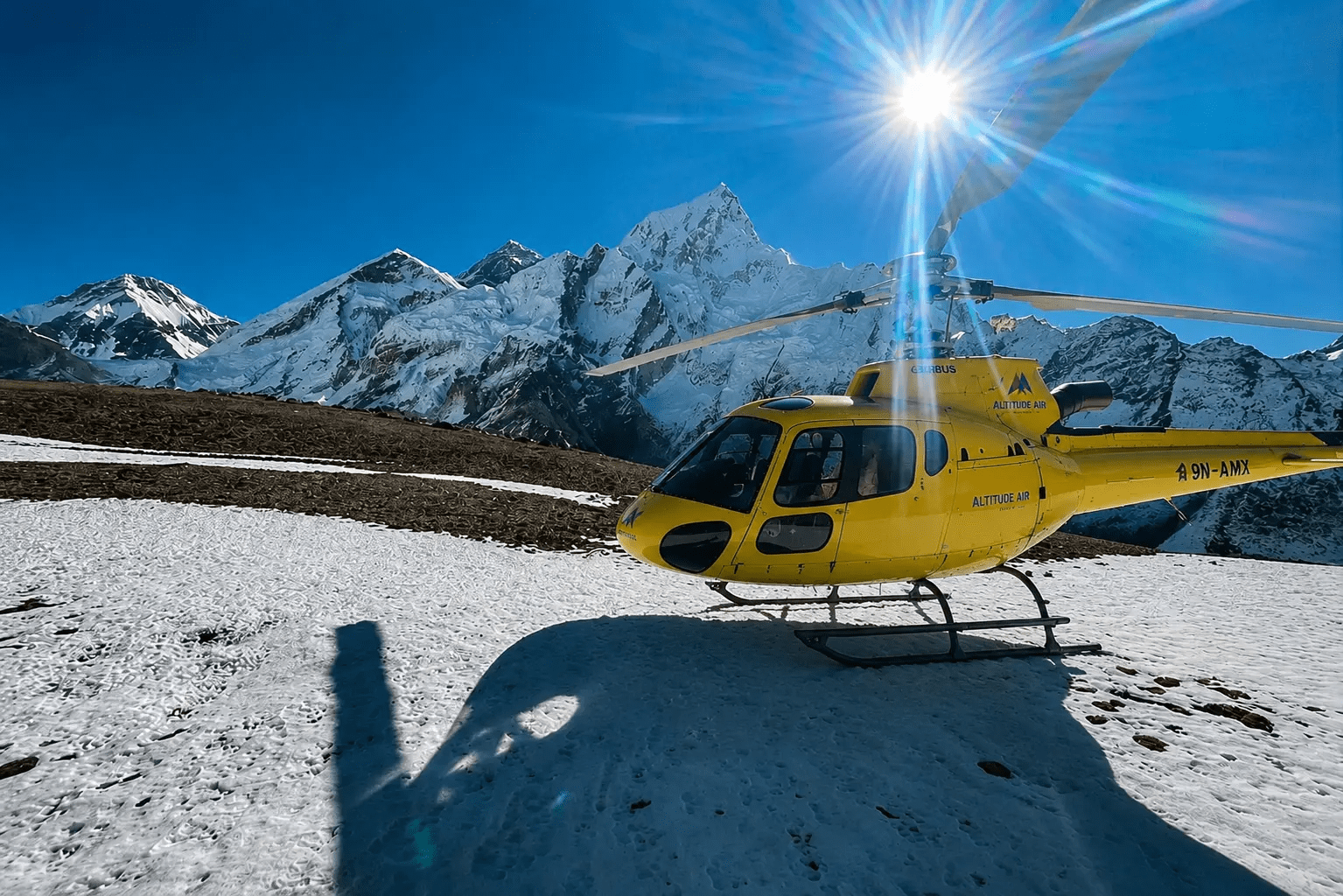
The most visible change is machines: newer H125-generation helicopters with upgraded engines enter the fleet as older AS350s retire. Stronger power at altitude means higher certified ceilings, snorkelled-engine confidence and steadier landings at pads like Kalapatthar.
Avionics That Watch the Sky
Modern glass cockpits add navigation displays, terrain and obstacle awareness, satellite weather feeds and live engine monitoring. Pilots get a clearer, faster picture of mountain weather and system health - value that escala directly into your safety margin.
The Quieter, Smoother Cabin
Advances in rotor and cabin design cut vibration and noise. Passengers feel it as a calmer climb, a softer touchdown, and an easier conversation. It is the least dramatic technology and often the most memorable for those in the seats.
Fuel and Performance Improvements
Newer turbines burn less fuel per hour and lift more payload at altitude. Operators pass the value along through efficiency, while the environment gains from lower emissions per flight - a genuine win for responsible mountain aviation.
What This Means for Tourists
- Higher-dependability flying in the classic high routes
- More comfortable, quieter cabins
- Better-optioned safety systems (terrain, weather, engine awareness)
- Occasionally a wider route book as new machines earn approvals
A Balanced Perspective
Technology improves controllable risk, but the Himalaya's weather remains the constant variable. The newest avionics cannot out-fly a storm a pilot must respect. Technology raises the margin; the go/no-go discipline is what spends it wisely.
Frequently Asked Questions
Can I ask which helicopter technology I’ll be on?
Absolutely - ask for the model and its avionics fit. Newer H125-class machines with modern glass cockpits are a reasonable expectation for quality mountain tours; confirmation is a sign of transparency.
Does newer always equal safer?
Newer hardware plus disciplined maintenance and crew is the safest combination, but certification and culture matter more than year alone. A well-maintained, current-approved machine flies safely even if not the newest.
Are fleet upgrades making tours more expensive?
Some operators pass capital costs into fares, but competition and shared-cabin economics keep per-head rates broadly stable across the season.
Represent a Helicopter Agency or Operator?
We welcome guest contributions from helicopter agencies and licensed operators who want to share original route guides, flying experiences, or practical safety knowledge with our readers. Each article is clearly labelled as a contributed guest post.
Write For Us



Comments (0)
No comments yet. Be the first to share your thoughts.
Leave a Reply