
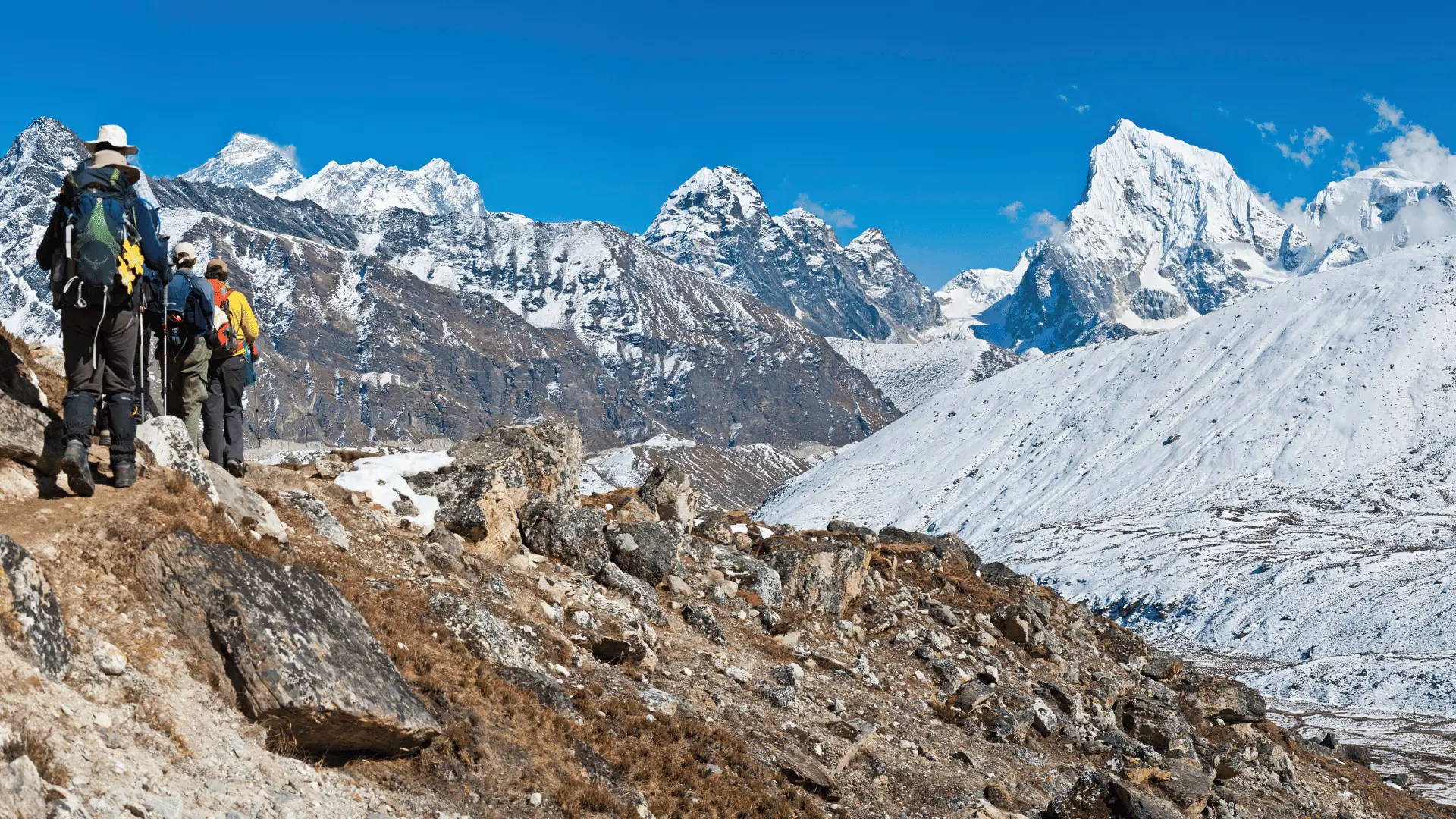
Nepal's helicopter tourism is on an upward trajectory. Post-recovery arrivals, the rise of shared-seat departures and a wave of new commercial landings have turned mountain aviation from a niche luxury into a mainstream Himalayan experience. Here is the 2026 outlook for the industry and what it means for your booking.
Arrival Momentum
Through 2024 and 2025, commercial helicopter operations reported strong weekday occupancy on Everest and Annapurna departures, with October-November and March-April slots filling two to three weeks out. Luggage-free short hops and valley tours in the shoulder season are quietly matching that pace. 2026 projections point to another record season of commercial stops on the classic corridors.
Shared Seats Fuel the Growth
Until recently, a helicopter tour meant a whole-charter price. The spread of shared-seat departures - sold per passenger rather than per aircraft - unlocked the market for solo travellers, couples and small families. This single pricing shift is the biggest driver of volume growth, and operators continue to add seats and frequency on the top routes.
New Routes and Landing Corridors
- Eastward expansion: new corridor clearances increasingly cover Rolwaling and the Barun approaches beyond the classic Everest runway
- Sacred multi-stops: Gosaikunda-Muktinath and Helambu combinations are standardising as two-stop sacred days
- Short hops to maturity: village helipads like Gokyo and Hotel Everest View are now bookable add-ons, broadening the landing map
- Regional bases: growing fixed-wing feeders mean more charters stage from Pokhara and Lukla, shortening high-volume legs
Pricing Trends
Growing seat supply in peak months is gently softening per-seat rates as operators compete to fill cabins, while fuel surcharges remain the main upward pressure in quieter seasons. The practical takeaway: shared seats in high season are the best value in years, and early-booking discounts are increasingly common two to three weeks ahead.
Quality and Safety Signals
With volume growth, CAAN scrutiny has tightened: more operators hold renewing AOCs, mountain-courses for pilots are expanding, and the commercial market is consolidating around few reputable carriers. Travellers benefit from clearer licensing checks and (this is welcome) more transparent all-in pricing as competition matures.
What It Means for Travellers
- Book shared departures early in high season; they now fill reliably
- Expect more last-minute seat availability in shoulder months as operators add frequency
- New sacred and short-hop routes mean deeper itineraries without extra charter legs
- Verify the CAAN AOC independently - consolidation raises the floor, not your excuses
Frequently Asked Questions
Will helicopter tours get cheaper in 2026?
Per-seat rates are trending gently softer in peak months as supply grows, but fuel and regulatory costs cap the drop. The biggest discounts come from shared seats and early booking rather than from headline rate cuts.
Are new routes safe?
Yes - corridor clearances are tested and licensed. New landings on village pads and multi-stop sacred routes undergo the same CAAN approval process; ask for the operator's current route clearance when booking an emerging stop.
Should I wait for next season to book?
For peak-season Everest or Annapurna shared seats, booking 2-3 weeks ahead locks better pricing and guaranteed departure days. Waiting rarely improves availability in the autumn window.
Represent a Helicopter Agency or Operator?
We welcome guest contributions from helicopter agencies and licensed operators who want to share original route guides, flying experiences, or practical safety knowledge with our readers. Each article is clearly labelled as a contributed guest post.
Write For Us



Comments (0)
No comments yet. Be the first to share your thoughts.
Leave a Reply