
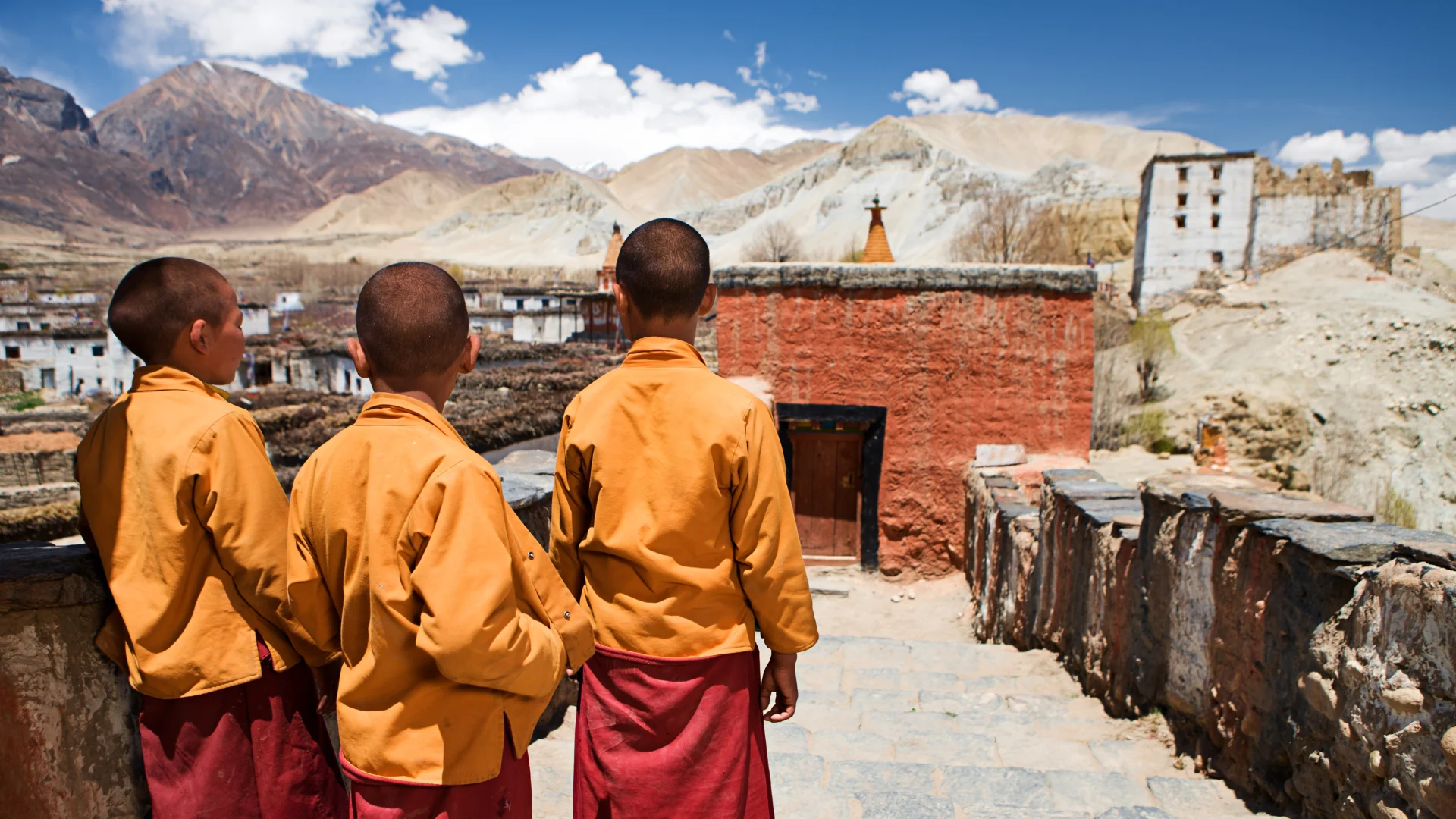
Few countries live their religion like Nepal - a valley where a Hindu king bathed at Pashupatinath while his Buddhist neighbours walked the kora of Boudhanath in the same morning. A helicopter charter traces this living tapestry, visiting the sacred sites of both faiths from the pilgrim's sky.
The Shared Sacred Geography
Nepal's genius is its syncretism: Muktinath's 108 spouts served Hindus and Buddhists alike, Swayambhunath carries Hindu votive pots beside Buddhist eyes, and villages thread prayer wheels with temple bells. The helicopter, loyal to neither faith, presents the valley as the single radiant whole it actually is.
A One-Day Interfaith Flight
- Pashupatinath (Hindu): the Bagmati-bank temple, Nepal's holiest Shiva shrine
- Boudhanath (Buddhist): the great Tibetan stupa and its tidal kora
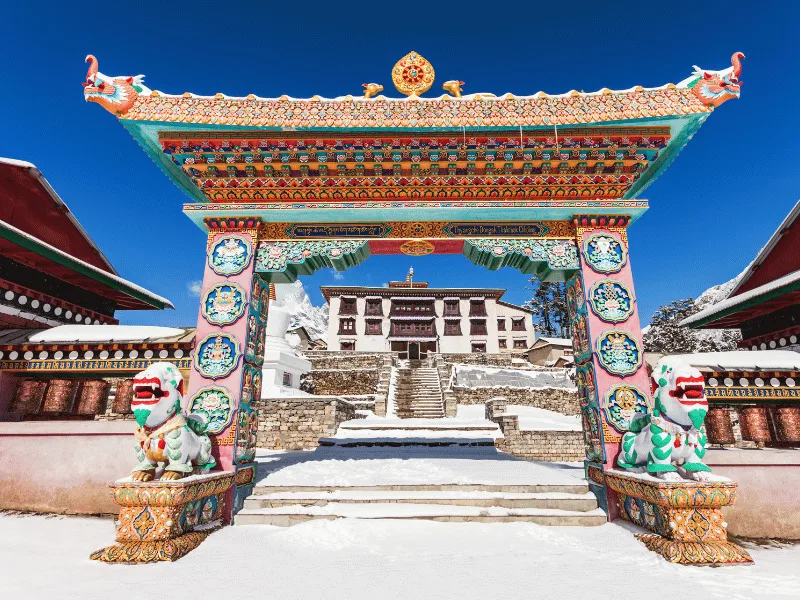
- Swayambhunath (shared): the hilltop flame adored by both communities
- Gompa landing (Buddhist): a quiet plateau monastery for meditation
- Muktinath (shared, long version): the 108-spout liberation site in Mustang
Reading the Landscape of Belief
From the air, the structure of Nepali faith becomes legible: temple roofs and stupa domes in the same valley bowl, ghats sharing the same river, prayer flags curling the same winds. Visitors come away with a grasp of how two great traditions have coexisted, borrowed, and blessed one another for a thousand years.
Practical Notes for the Interfaith Charter
Because you touch multiple sites, wear modest, comfortable clothing and remove footwear at temple and stupa thresholds. Ask your operator to schedule the flights to match each site's opening and ritual hours - Pashupatinath's early darshan and Boudhanath's morning kora both reward timing.
The Meaning of the Shared Sky
If the valley is a scripture, the helicopter is a page turner revealing the whole text at once. Devotees of either faith (and seekers of none) agree the journey deepens respect - the goal if not the doctrine of a holy place.
Frequently Asked Questions
Can I land inside temple courtyards?
Usually not - padas are restricted at the busiest shrines. The pattern is a fly-over for the aerial blessing, a ground visit for the up-close ritual, or a nearby viewpoint landing.
Is this charter purely religious or can it be cultural?
It sits somewhere sacred and cultural - welcoming the devout and the curious. For travellers, it is equally a photography and heritage tour of the valley's living faith.
How long should I budget?
Two to three hours for the valley circuit, five to six for the Muktinath extension. Both compress what would otherwise be days of separate pilgrimages.
Represent a Helicopter Agency or Operator?
We welcome guest contributions from helicopter agencies and licensed operators who want to share original route guides, flying experiences, or practical safety knowledge with our readers. Each article is clearly labelled as a contributed guest post.
Write For Us



Comments (0)
No comments yet. Be the first to share your thoughts.
Leave a Reply