

Single helicopter tours are spectacular, but once you have tasted the Himalaya from the air, the real magic begins: a multi-day helicopter itinerary that stitches Everest, Annapurna, Langtang and the sacred lakes into one continuous journey. With planning, three in-the-air days can cover what a ground traveller would need a month to see.
Why Go Multi-Day With a Charter
Nepali helicopter operators quote by flight hour, and every reposition leg costs money. Stacking several destinations into one charter means the repositioning becomes part of the sightseeing instead of a wasted bill. A well-built two-day itinerary can include the Everest region and the Annapurna massif at a price that beats two independent day trips.
Designing the Route: The Golden Stack
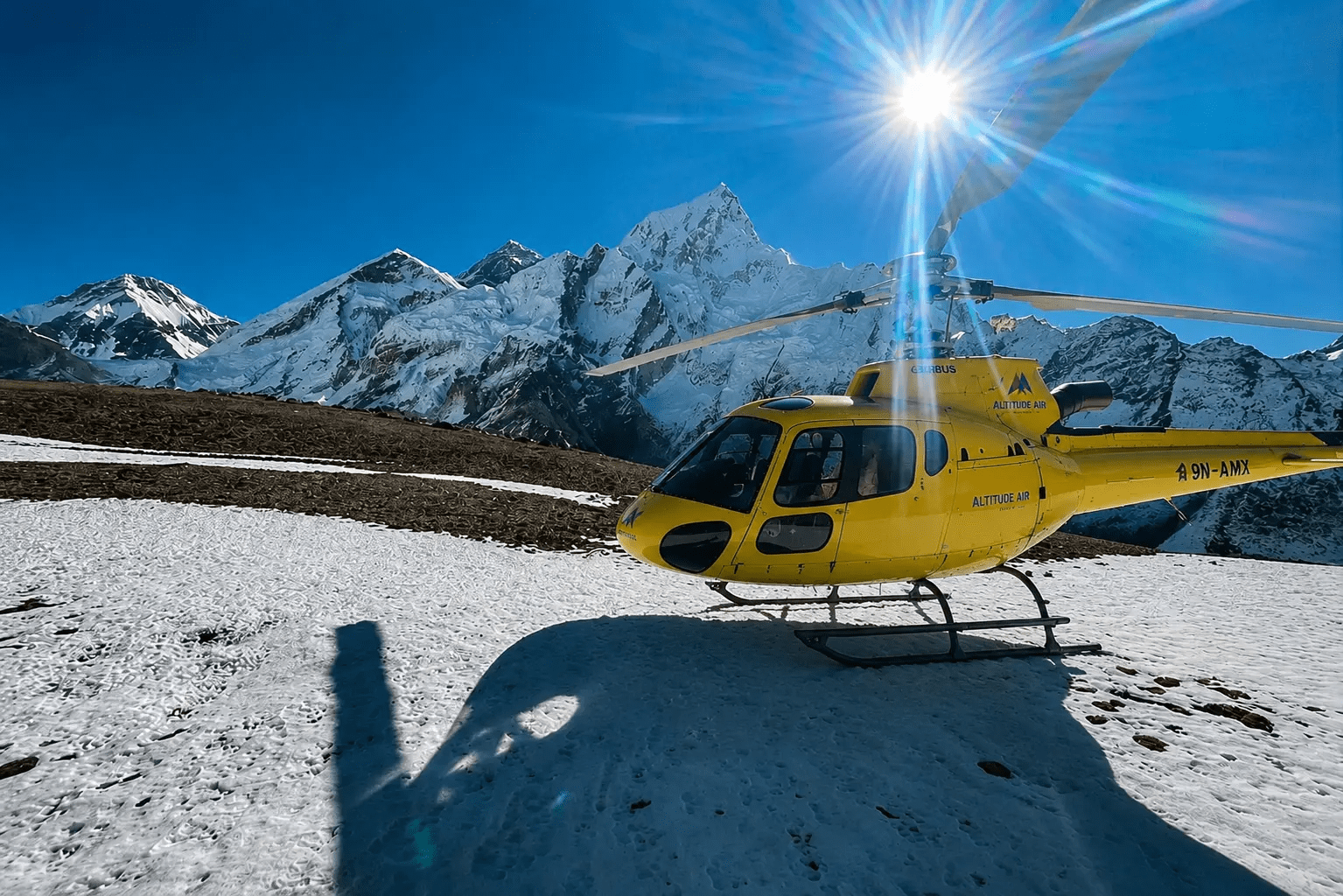
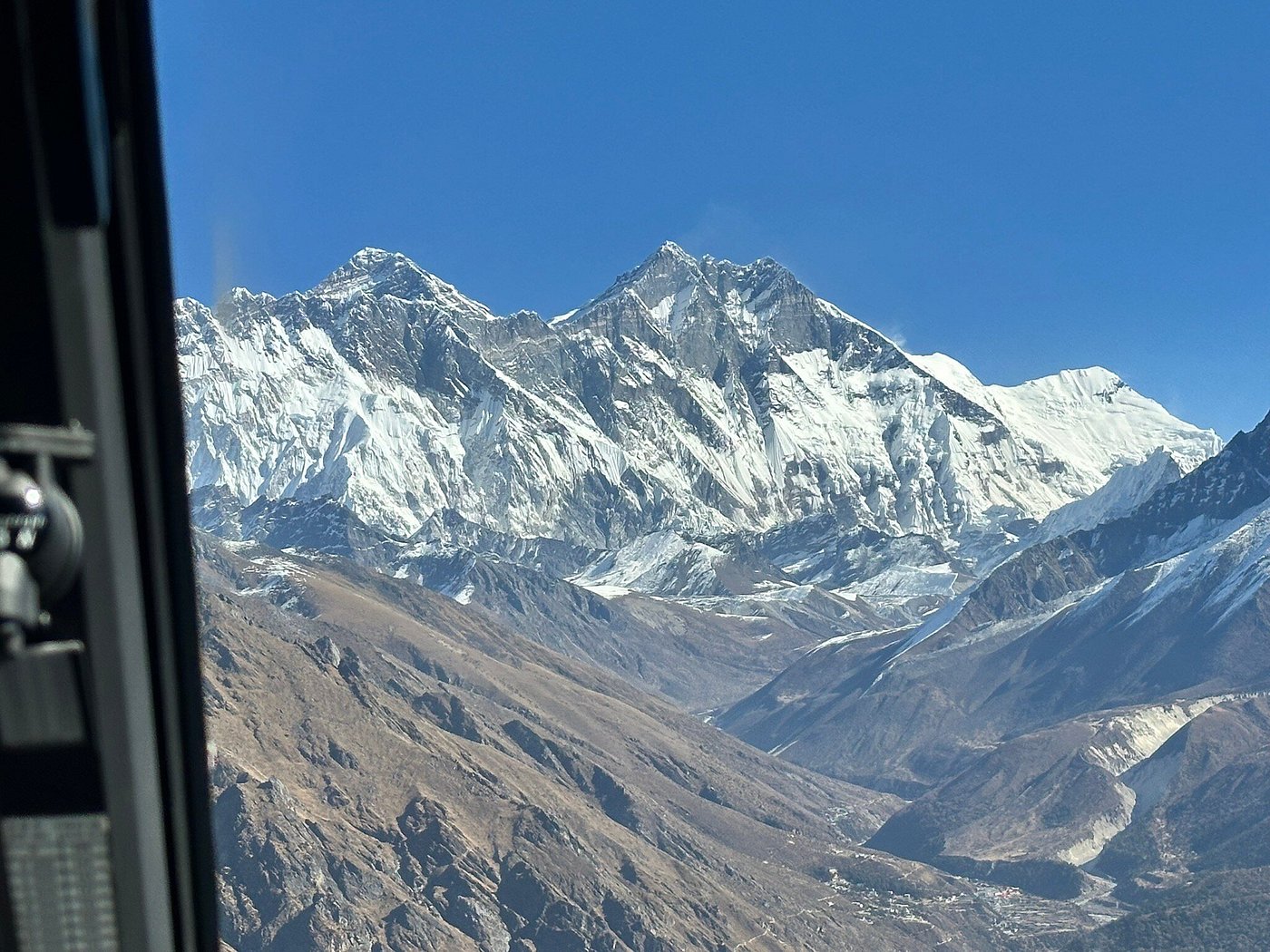
- Day one - Eastern Himalaya: Kathmandu to Everest Base Camp / Kalapatthar via Lukla, then on to an overnight landing at Gokyo or Hotel Everest View
- Day two - Central and West: fly across the Rolwaling ridge to the Gosaikunda lakes, then live over Manaslu to Annapurna Base Camp, overnight Pokhara or a valley lodge
- Day three - Sacred and Valley: Muktinath pilgrimage flight, then a Kathmandu Valley heritage hop to finish
Pacing Altitude Between Days
The single most important rule of a multi-day flight: climb gradually. Land below 4,000 metres on night one, sleep there, and only push to the 5,500-metre landings the next morning. Spreading altitude across days keeps passengers comfortable and gives the body overnight recovery.
Overnight Landing Considerations
Not every beautiful valley has a night-rated pad. Your operator will confirm each overnight landing with the lodge: fire safety, weather exposure, and whether the helicopter can return for the morning pick-up. Lukla, Syabrubesi, Gokyo and the Hotel Everest View are the established overnight stops; Pokhara offers warm, low-altitude comfort.
What Multi-Day Pricing Includes
- Flight hours at the agreed hourly rate, including positioning
- Overnight stays and ground logistics at landing villages
- Permits for restricted valleys and National Parks
- Rescheduling buffer: most operators build one weather-spare day into long charters
Who Should Book Multi-Day
Photographers chasing different light across ranges, honeymooners wanting private lodges above the clouds, trekking scouts previewing routes, and travellers with 3 to 5 days to spare who want the deepest possible aerial itinerary before or after a trek.
Planning Checklist
- Discuss the exact overnight pads with your operator before paying
- Request a weather-spare day; build it into the itinerary
- Pack warm layers - morning pick-ups at 4,000 metres are cold even in April
- Carry a photocopy of your passport for restricted-area checks
- Confirm luggage limits for the multi-day leg (typically 10-15 kg per person)
Frequently Asked Questions
How much does a two-day helicopter itinerary cost?
Budget around USD 6,000 to 9,000 per helicopter (up to five passengers) for a well-built two-day plan, rising with flight hours and overnight positions. Split five ways, it is a reasonable premium over separate day trips.
Can the helicopter wait while we trek between stops?
No - helicopters reposition to safety. The standard model is fly, land, overnight, and the aircraft meets you at the next morning's pad. Trekking-heavy combos use the "trek up, fly down" format instead.
What happens if a day is cancelled by weather?
Because multi-day plans carry a spare day, a cancellation simply reshuffles the schedule. Your operator's fleet and weather team will re-plan the stack to keep you moving.
Represent a Helicopter Agency or Operator?
We welcome guest contributions from helicopter agencies and licensed operators who want to share original route guides, flying experiences, or practical safety knowledge with our readers. Each article is clearly labelled as a contributed guest post.
Write For Us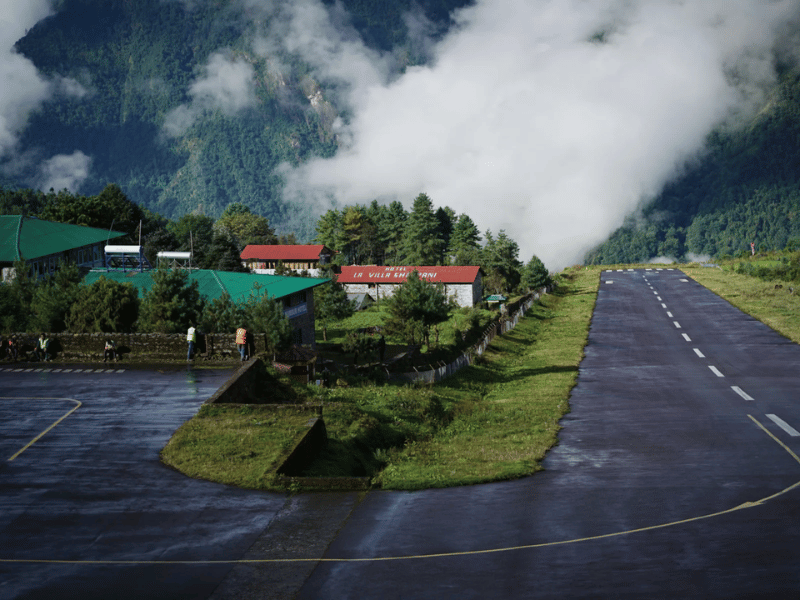



Comments (0)
No comments yet. Be the first to share your thoughts.
Leave a Reply