
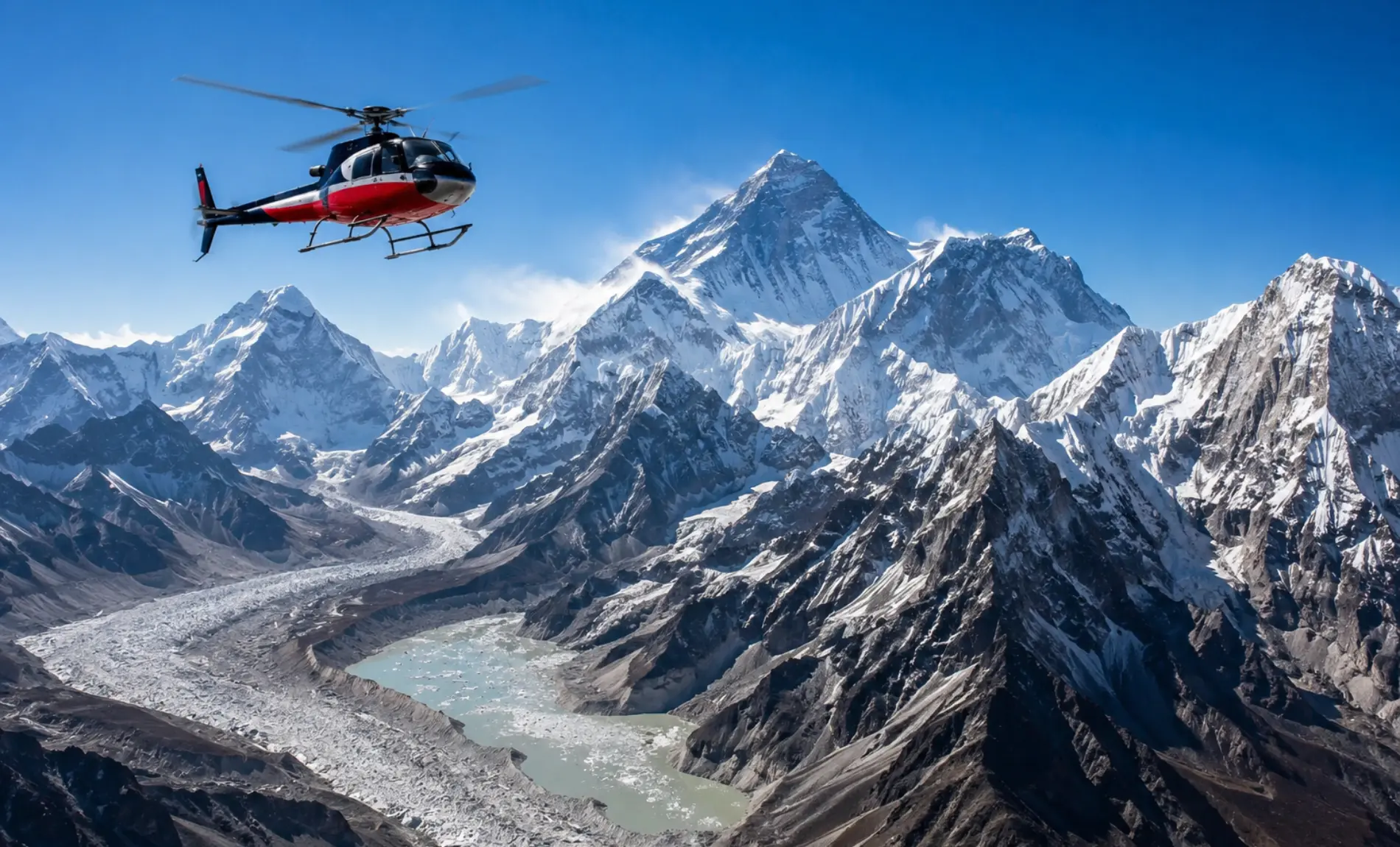
Planning a helicopter adventure in Nepal in late 2026 or 2027? Choosing the right season can make a significant difference to your Himalayan experience. From breathtaking views of Mount Everest to the spectacular landscapes of the Annapurna and Langtang regions, helicopter tours in Nepal offer an exciting way to explore some of the country's most remarkable mountain destinations.
However, mountain weather can change quickly. Cloud cover, visibility, wind speed and temperature all influence helicopter operations. Understanding the best time for a helicopter tour in Nepal can help you choose suitable travel dates and plan your journey more effectively.
Whether you are interested in an Everest helicopter tour, an Annapurna sightseeing flight, a Langtang mountain tour or a Muktinath helicopter journey, this guide covers Nepal's best flying seasons, monthly weather patterns, popular destinations and important booking considerations.
If you are planning to travel during the remaining months of 2026 or looking ahead to Nepal helicopter tours in 2027, explore the information below and enquire about upcoming travel arrangements through Nepal Heli Services.
Nepal Helicopter Tour Booking for 2027: Upcoming Travel Dates
Travellers often begin planning their Himalayan holidays several months before departure. Advance planning is particularly useful during Nepal's popular spring and autumn seasons, when demand for mountain experiences may increase.
If you are considering a Nepal helicopter tour in 2027, this is a good time to research your preferred destination, compare possible travel arrangements and enquire about suitable dates.
Helicopter Tours in November and December 2026
November is part of Nepal's post-monsoon autumn season. The weather is generally drier, and mountain visibility can be excellent, making it an attractive month for Himalayan sightseeing. December marks the beginning of winter, bringing colder temperatures, particularly at higher elevations. Although clear days are possible, snowfall, strong winds and changing mountain conditions can affect some flights.
If you are planning a helicopter journey in November or December 2026, enquire about suitable travel dates and allow flexibility in your itinerary.
Planning Nepal Helicopter Tours for 2027
For 2027 travel, start by identifying your preferred destination and approximate travel month. October, November, March and April are particularly attractive months to consider if clear Himalayan views are your priority.
Before making arrangements, check the proposed route, departure time, flight duration, passenger requirements, pricing and weather-related cancellation policy. You should also confirm whether a departure is genuinely available or whether the arrangement is still subject to confirmation.
Planning a helicopter tour for 2027? Contact Nepal Heli Services to explore destination information and enquire about upcoming travel options. Actual flight availability and reservations must be confirmed by the relevant operating company.
Best Time for Helicopter Tours in Nepal: Spring, Autumn and Winter
The best time for a helicopter tour in Nepal is generally during autumn (October and November) and spring (March to April and early May). These seasons often provide favourable conditions for mountain sightseeing, including clearer skies and comparatively manageable weather.
Autumn is especially popular because the monsoon rainfall has usually cleared the atmosphere. Spring is another excellent period, with gradually warming temperatures and colourful landscapes in the Himalayan foothills. However, weather conditions vary between destinations, so the best season for Everest may not always be identical to the best season for Mustang or Annapurna.
Autumn (October–November): Excellent for Mountain Visibility
Autumn is widely considered one of the most favourable seasons for Himalayan travel in Nepal. Following the summer monsoon, skies often become clearer, creating excellent opportunities to enjoy panoramic mountain views.
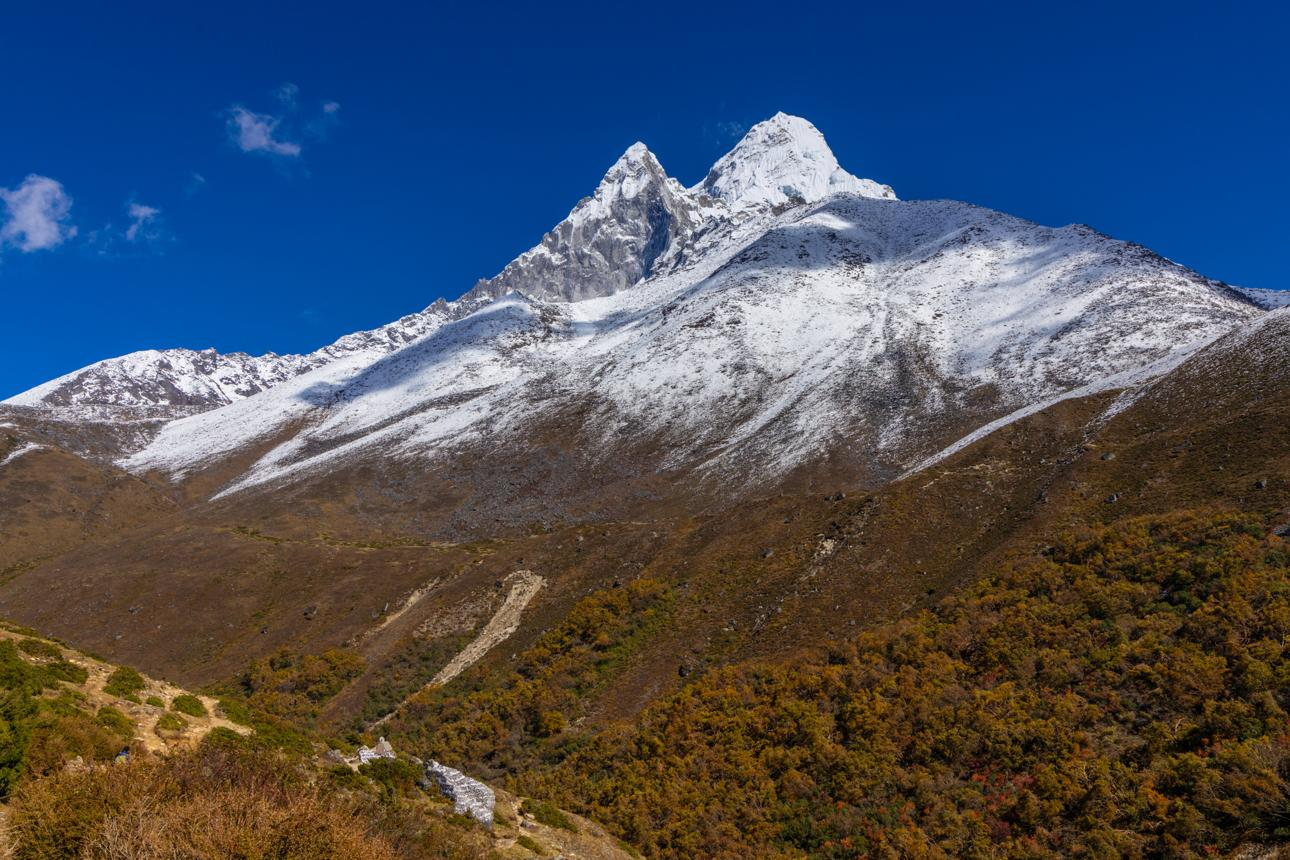
October and November are particularly attractive for an Everest helicopter tour, Annapurna sightseeing and other Himalayan journeys. Travelers can enjoy generally dry conditions, impressive mountain landscapes and good photography opportunities. Because autumn is a popular travel season, it is sensible to enquire about your preferred dates in advance.
Spring (March–May): A Beautiful Season for Helicopter Tours
Spring is another popular time for helicopter tours in Nepal. Temperatures gradually rise, forests become greener and rhododendrons bloom across many Himalayan foothills.
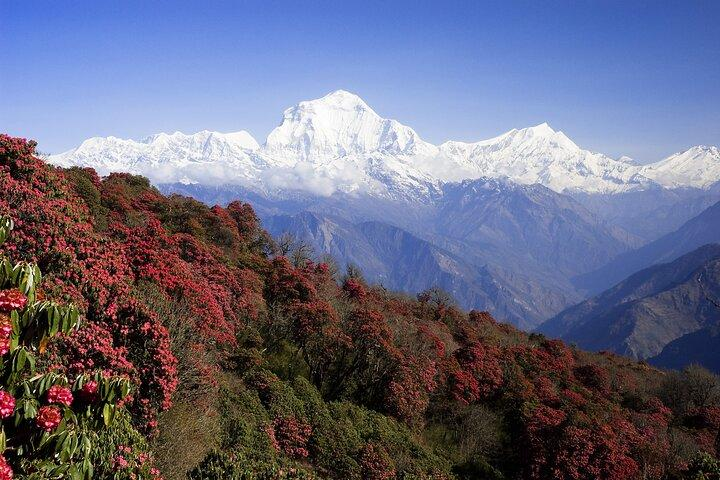
March and April are generally attractive months for mountain sightseeing. Early May can also offer good opportunities, although haze and afternoon cloud development may become more noticeable as temperatures increase. Spring is worth considering for Everest, Annapurna and Langtang helicopter experiences, particularly if you want to combine mountain views with Nepal's colourful spring landscapes.
Winter (December–February): Clear Days and Cold Mountain Conditions
Winter can offer beautiful Himalayan scenery, especially on clear days. However, temperatures become extremely cold at higher elevations, and snowfall, icy landing areas, fog and strong winds can affect helicopter operations.
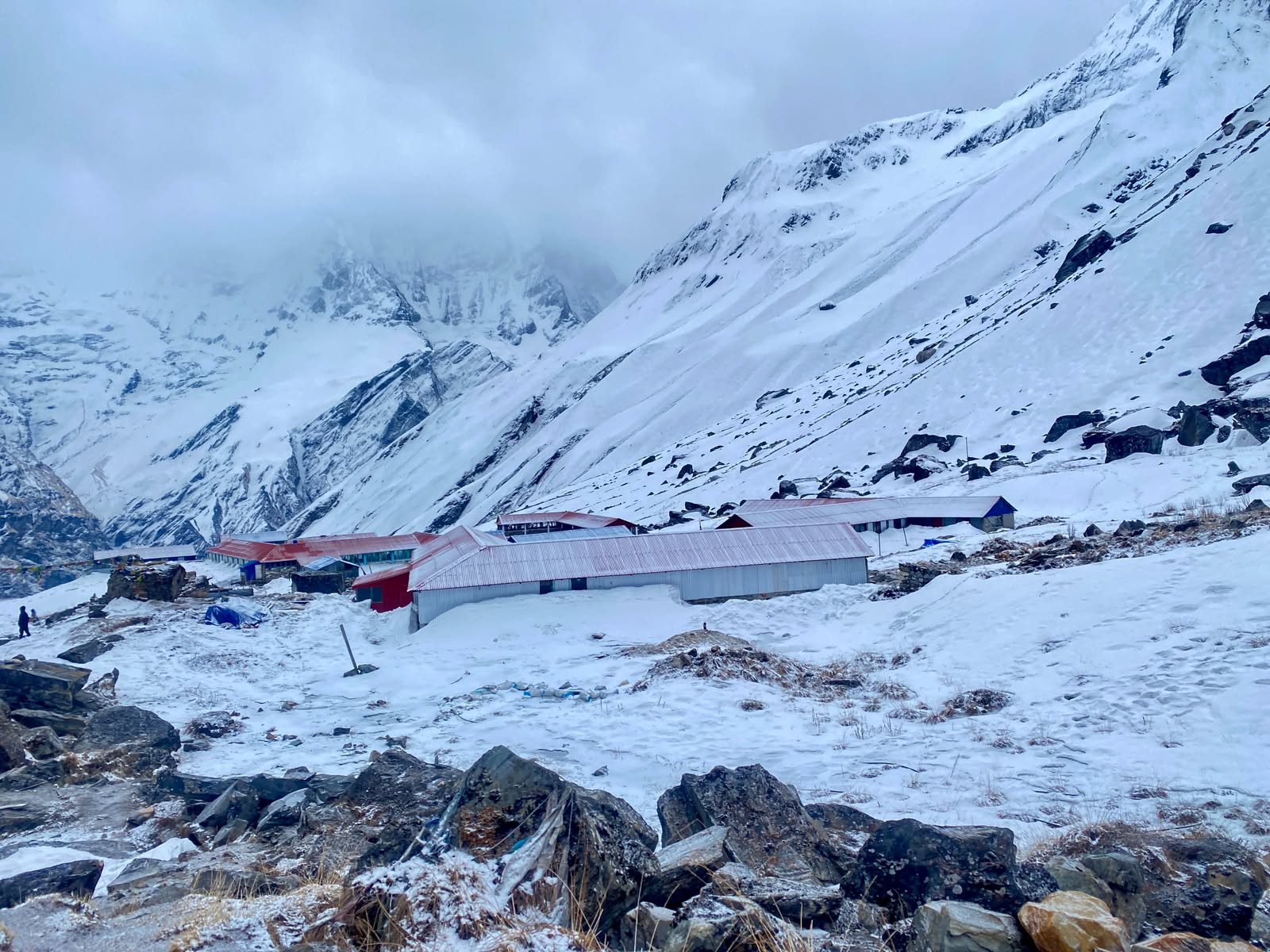
Travellers considering a winter helicopter tour should prepare for low temperatures and check whether their intended destination is suitable for the conditions. Winter flights may be possible on selected routes, but each journey requires an individual operational assessment.
Monsoon (June–September): Unpredictable Mountain Weather
The monsoon season brings substantial rainfall to much of Nepal. Cloud cover, rain, thunderstorms and reduced visibility can make mountain sightseeing less predictable. According to the Nepal Tourism Board, approximately 80% of Nepal's annual rainfall occurs during the June–September monsoon period.
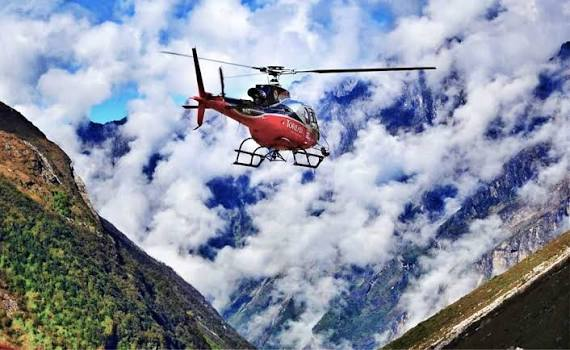
However, rainfall varies by geographical region. Mustang, for example, lies in the rain shadow of the Annapurna and Dhaulagiri ranges and generally receives less rainfall than areas such as Pokhara. Even so, local wind, cloud and visibility conditions must be checked before a flight.
For travellers prioritising clear Himalayan views, the monsoon is generally a less predictable time to plan a helicopter tour.
Nepal Helicopter Tour Weather Month by Month
Understanding Nepal's seasonal weather can help you choose a suitable travel period. The following table provides a general overview, not a guaranteed flight forecast. Conditions vary according to altitude, destination and actual weather.
Month | General weather conditions | Travel consideration |
| January | Cold, often dry in many regions | Selected routes may be suitable |
| February | Cold with gradually warming temperatures | Consider selected routes |
| March | Spring begins; temperatures improve | Favourable season |
| April | Popular spring travel period | Excellent season to consider |
| May | Warmer, with increasing haze and afternoon clouds | Conditions can become variable |
| June | Monsoon begins | Less predictable |
| July | Heavy rainfall in many regions | Generally less favourable |
| August | Continued monsoon conditions | Generally less favourable |
| September | Monsoon gradually withdraws | Conditions improve as the month progresses |
| October | Post-monsoon conditions | Excellent season to consider |
| November | Generally clear and dry | Excellent season to consider |
| December | Winter begins; colder at altitude | Selected routes may be suitable |
Which Months Are Best for Clear Himalayan Views?
If seeing the Himalayan mountains clearly is your main priority, consider October, November, March and April. These months are generally attractive for mountain sightseeing. Early May can also offer good opportunities, although haze and cloud development may increase as the month progresses.
Remember that favourable seasonal conditions do not guarantee clear skies on your chosen date. Always check the latest weather and flight arrangements before travelling.
Best Time for an Everest Helicopter Tour in 2027
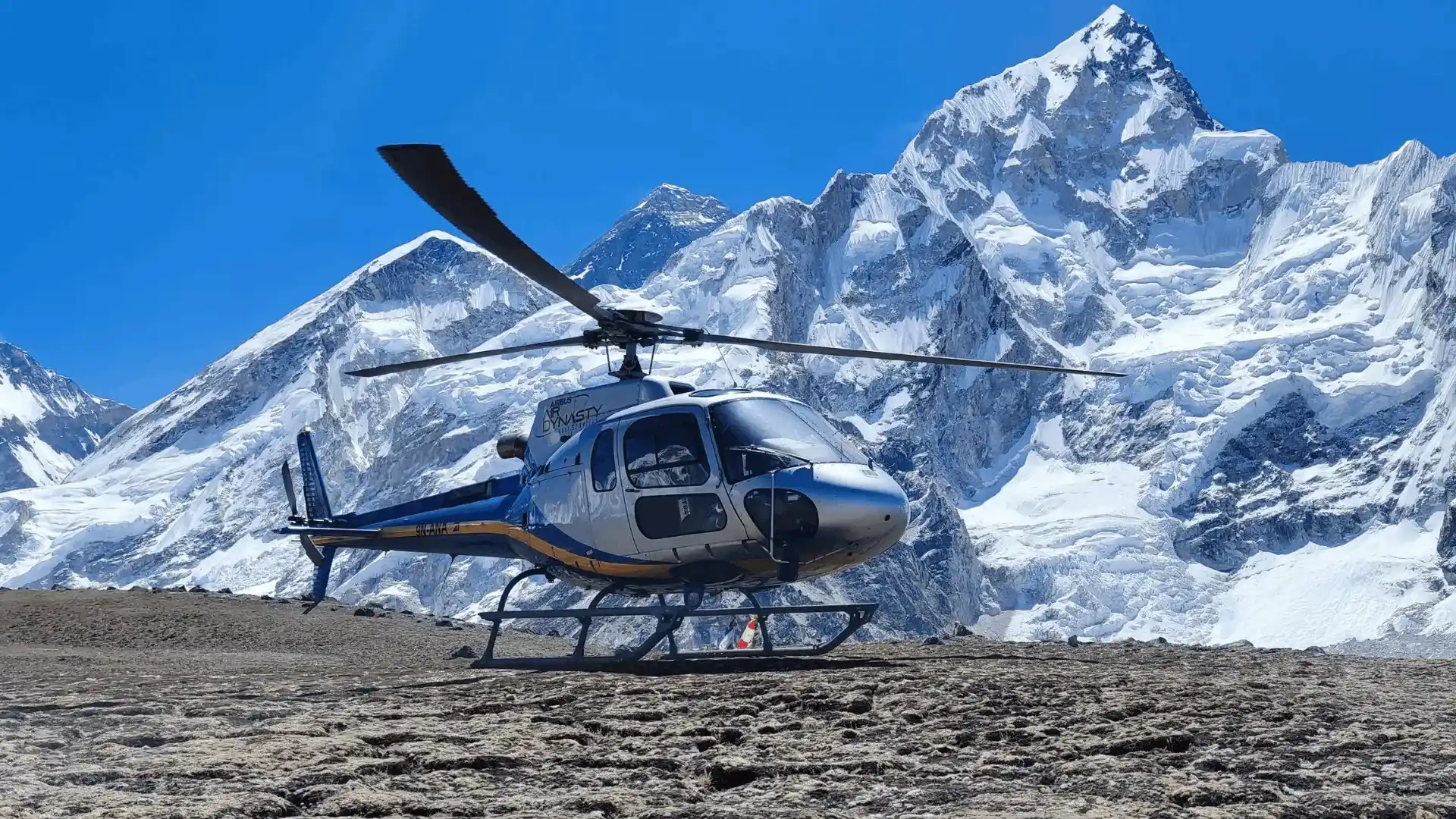
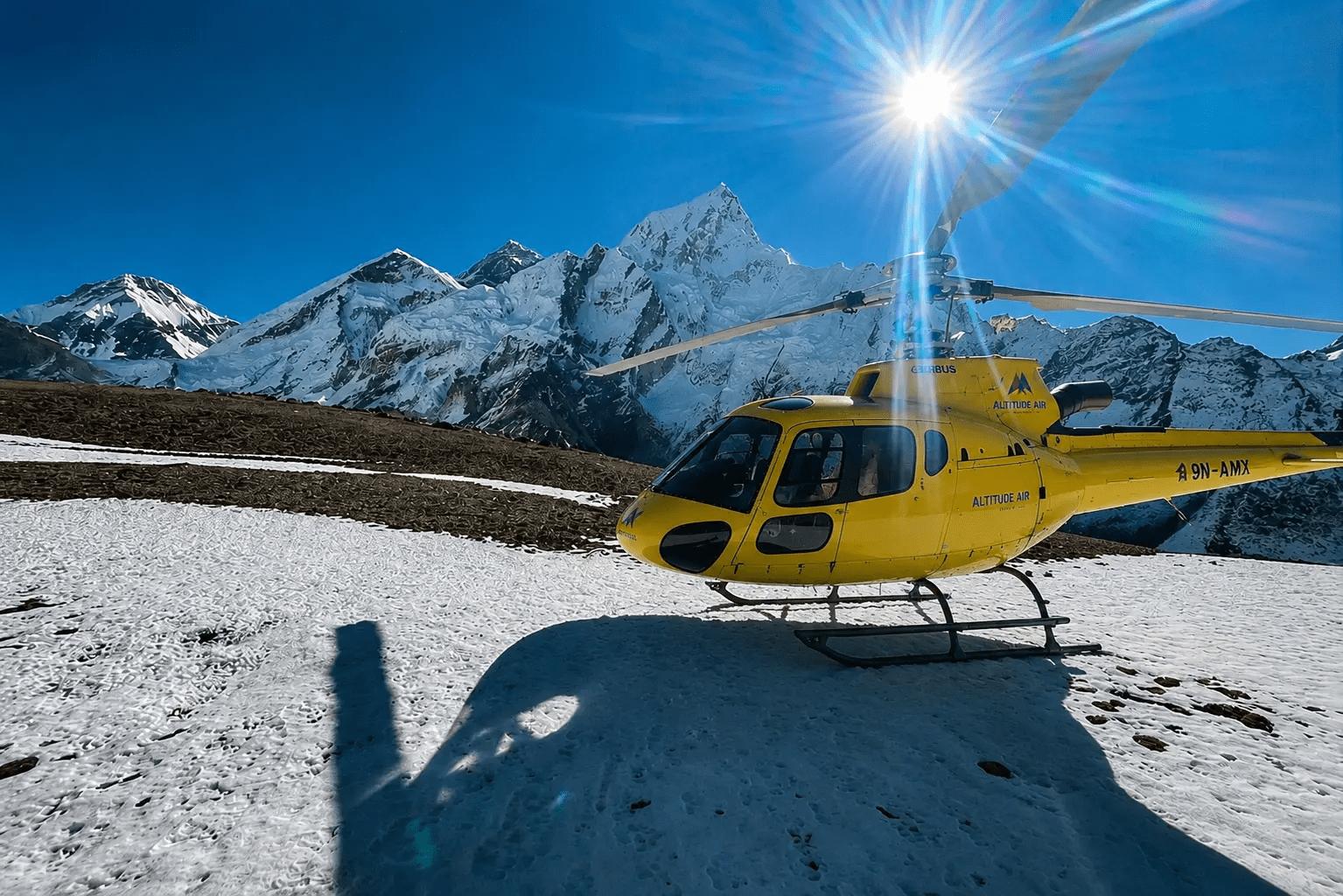
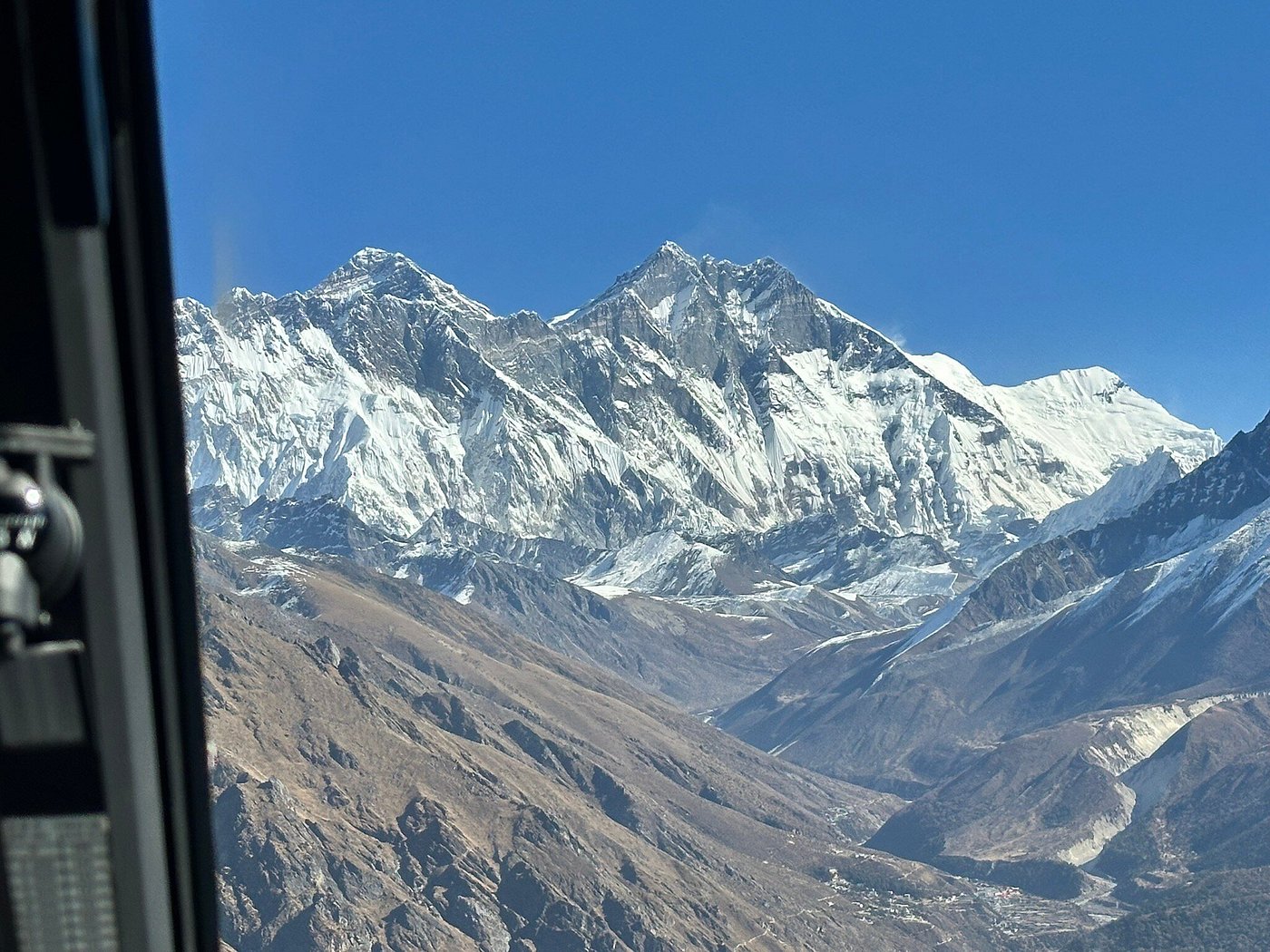
An Everest helicopter tour is one of Nepal's most sought-after mountain sightseeing experiences. Depending on the approved itinerary and weather, the journey can offer aerial views of the Khumbu region, Mount Everest and surrounding Himalayan peaks.
For travellers planning an Everest helicopter tour in 2027, spring and autumn are generally the most attractive seasons to consider.
Everest Helicopter Tour in Spring
March, April and early May offer opportunities to experience the Everest region during Nepal's spring season. Snow-covered Himalayan peaks, changing landscapes and longer daylight hours make this period attractive for mountain sightseeing and photography.
Everest Helicopter Tour in Autumn
October and November are excellent months to consider an Everest helicopter journey. Following the monsoon, the atmosphere often becomes clearer, creating favourable opportunities for panoramic mountain views. This season is particularly appealing to international travellers combining an Everest experience with a wider Nepal holiday.
Can You See Mount Everest During a Helicopter Tour?
Mount Everest visibility depends on cloud cover, visibility along the planned route, wind conditions and weather at the destination. Even during popular travel seasons, mountain weather can change unexpectedly. An October or April departure does not guarantee uninterrupted views of Mount Everest, so flexibility is important.
Travellers researching an Everest experience can also read our Everest helicopter tour guide for more information about the destination and possible sightseeing arrangements.
Best Season for Annapurna, Langtang and Muktinath Helicopter Tours
Nepal has several remarkable helicopter sightseeing destinations, but each region has its own geographical and climatic characteristics. Choosing your travel season according to the destination can help you plan more effectively.
Annapurna Helicopter Tour
The Annapurna region is particularly attractive during spring and autumn. Travellers may enjoy views of Annapurna I, Machhapuchhre (Fishtail), Hiunchuli and other surrounding Himalayan peaks, depending on the route and visibility. March, April, October and November are generally good months to consider an Annapurna helicopter sightseeing experience.
Langtang Helicopter Tour
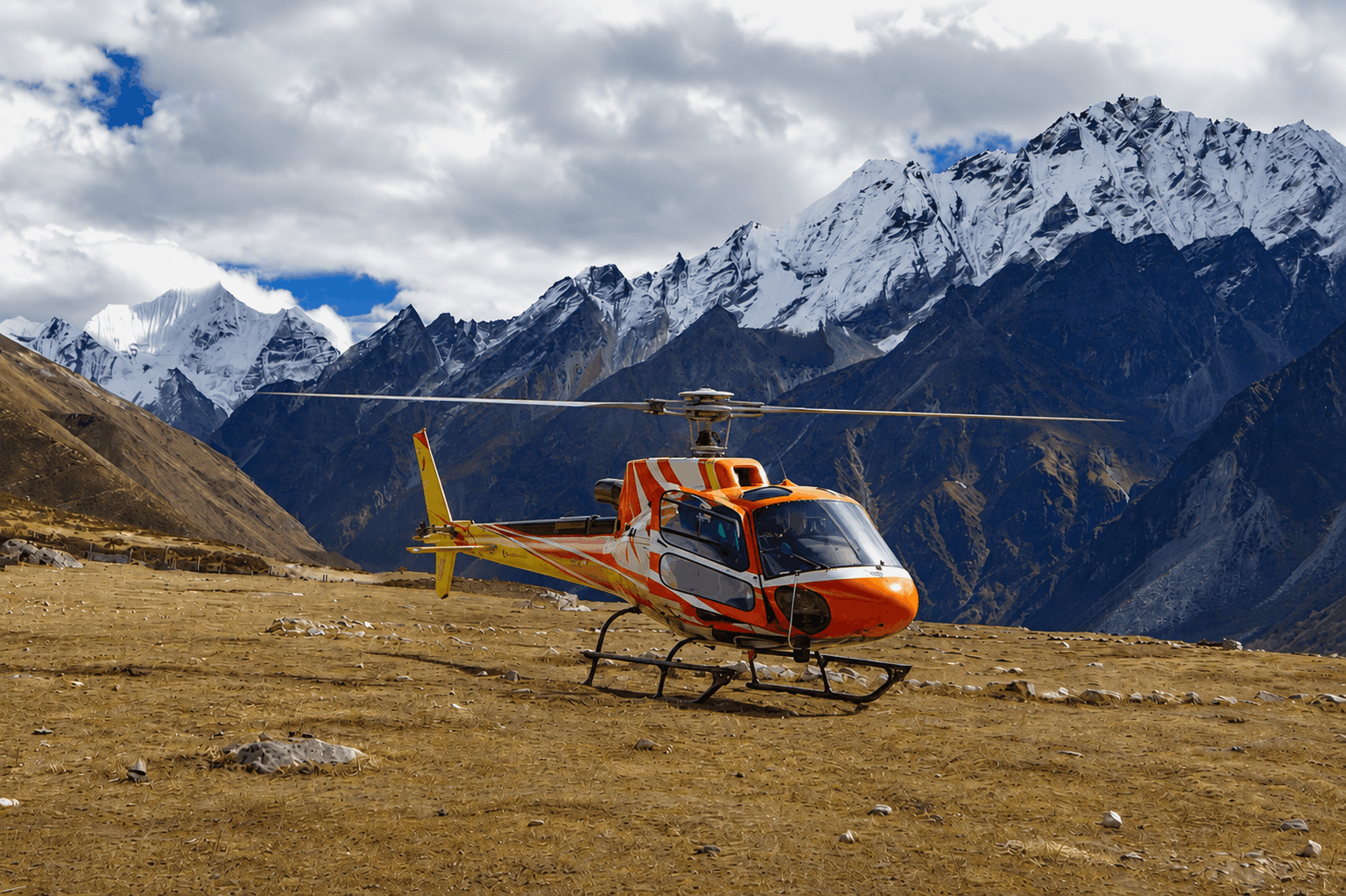
The Langtang region is known for its mountain scenery, glaciers, forests and traditional Himalayan settlements. Spring offers colourful landscapes in the lower elevations, while autumn often provides clearer mountain views after the monsoon. Both seasons are attractive for a Langtang helicopter tour, subject to actual weather and operational conditions.
Muktinath Helicopter Tour
Muktinath is located in the Mustang region, which lies in the rain shadow of the Annapurna and Dhaulagiri mountain ranges. As a result, Mustang generally receives less rainfall than many other parts of Nepal.
This makes the region an interesting destination to consider during different seasons. However, wind, snowfall, altitude and route conditions can still affect helicopter operations. Travellers planning a Muktinath helicopter tour should check destination-specific weather rather than assuming that the rain-shadow location guarantees suitable flying conditions.
What Weather Conditions Affect Helicopter Flights in Nepal?
Checking whether it is sunny in Kathmandu is not enough to determine whether a Himalayan helicopter flight can operate. Mountain weather is complex, and conditions can change significantly between valleys, ridgelines and high-altitude destinations.
Visibility and Cloud Cover
Visibility is one of the most important considerations for mountain sightseeing. Low clouds, fog and mist can obscure mountain peaks and reduce visibility along the planned route. Even when the departure point has clear skies, cloud cover may develop near the destination.
Wind Speed and Direction
Wind conditions can change quickly in mountainous terrain. Strong winds, turbulence and changing airflow around ridges and valleys may affect flight planning and landing suitability. Pilots and operating companies assess these conditions before deciding whether a flight can proceed.
Rainfall, Snowfall and Thunderstorms
Rain, snow and thunderstorms can affect visibility, landing conditions and overall flight suitability. Depending on the conditions, a helicopter departure may need to be delayed, rescheduled, diverted or cancelled.
Temperature and High-Altitude Conditions
Temperature generally decreases as altitude increases. Cold conditions and reduced air density also influence helicopter performance and operational limitations. Passenger weight, aircraft capability, fuel requirements and destination altitude are therefore important considerations when planning a Himalayan helicopter journey.
Why Are Morning Departures Often Preferred for Himalayan Helicopter Tours?
Many Himalayan sightseeing flights are scheduled in the morning because conditions can be more favourable earlier in the day. As sunlight heats mountain slopes and valleys, rising air currents and cloud development may affect visibility later in the day.
Morning departures can offer better opportunities for mountain visibility and may provide more flexibility when assessing changing weather. However, an early departure is not automatically guaranteed to operate. Fog, wind, snowfall and other conditions can also affect morning flights. The final departure decision rests with the operating company and pilot.
How to Book a Nepal Helicopter Tour for 2027
Planning ahead can make your Himalayan travel experience more organised. If you are considering a helicopter tour in late 2026 or 2027, start by identifying your preferred destination and travel period.
Choose Your Preferred Helicopter Destination
First, decide which region you would like to explore. Popular options include Everest helicopter sightseeing, Annapurna mountain flights, Langtang helicopter tours, Muktinath helicopter journeys and other scenic mountain or charter routes. Your destination will influence the season, expected flight duration, passenger requirements and possible itinerary.
Select Your Preferred Travel Month
Consider whether you prefer spring, autumn, winter or another travel period. If clear Himalayan views are your priority, October, November, March and April are particularly attractive months to research. For December 2026 or early 2027 travel, remember that high-altitude temperatures can be extremely cold.
Enquire About Upcoming Dates and Availability
Once you have selected your destination and approximate travel period, enquire about possible flight dates. Before confirming a reservation, ask about available departures, reporting time, total flight duration, passenger capacity, weight limitations, shared or private arrangements, pricing and weather-related cancellation policies.
To make your enquiry more efficient, prepare the following information:
- Preferred helicopter destination or route.
- Intended travel date or approximate month.
- Number of passengers.
- Whether you prefer a shared or private arrangement, if available.
- Any specific sightseeing or landing preferences.
You can contact Nepal Heli Services to explore helicopter travel information and enquire about upcoming travel options. The website is an independent helicopter information and discovery platform; actual flight arrangements and reservations must be confirmed with the relevant operating company.
Compare Helicopter Tour Prices and Inclusions
Before making a decision, understand what is included in the quoted price. Depending on the route and arrangement, the cost may be influenced by aircraft type, flight duration, passenger numbers, fuel requirements, landing arrangements and seasonal demand.
For more information, read our guide to Everest helicopter tour costs and our general article about helicopter ride costs in Nepal.
Always request a current quotation rather than relying on an old advertised price. Confirm taxes, additional charges, landing fees where applicable and the cancellation policy before paying.
Keep Your Travel Dates Flexible
Flexibility is particularly important when travelling in mountainous regions. If weather conditions are unsuitable on your preferred date, the operating company may recommend delaying, rescheduling or cancelling the flight. Where possible, avoid scheduling your helicopter experience immediately before an international departure or another activity that cannot be changed.
What Should You Know Before Booking a Helicopter Tour in Nepal?
Before confirming a helicopter journey, understand the practical and operational details of your proposed trip.
Shared and Private Helicopter Tours
Depending on the destination and available arrangements, travellers may be offered shared or private helicopter options. Shared helicopter tours involve travelling with other passengers on an arranged flight, which may reduce the cost per passenger. Private helicopter tours are arranged for a particular group or party, subject to aircraft capacity, route approval and operational requirements.
Passenger Weight and Aircraft Capacity
Helicopter passenger capacity depends on aircraft type, altitude, weather, fuel requirements and total payload. Weight limitations are particularly important for high-altitude flights. Always provide accurate passenger weight information when requesting a quotation so that the operating company can assess whether the proposed flight can accommodate the group safely.
Flight Duration and Landing Arrangements
Flight duration varies according to the destination, departure point, route and itinerary. Some helicopter experiences focus on aerial sightseeing, while others may include an approved landing at a suitable location. Do not assume that every destination allows landing. Landing permissions, site conditions and operational requirements must be confirmed before departure.
Weather-Related Cancellations and Rescheduling
Mountain weather can change even during Nepal's most popular travel seasons. If conditions are unsuitable, the operating company may delay, reschedule or cancel the flight. Refund and rescheduling conditions depend on the booking agreement, so review the policy before making payment.
Helicopter Tour Safety and Weather Considerations in Nepal
Safety should always be the priority when choosing a Himalayan helicopter experience. A suitable travel season does not eliminate the risks associated with mountain flying. Even during October, November, March and April, weather conditions must be assessed before every departure.
When arranging a helicopter tour, choose a properly authorised aviation operator, confirm that the proposed flight complies with current aviation requirements, provide accurate passenger and baggage weight information, and follow all pilot instructions. You should also understand the weather-related cancellation policy and avoid pressuring an operator to fly when conditions are unsuitable.
For official aviation information, visit the Civil Aviation Authority of Nepal (CAAN). You can also consult the Nepal Tourism Board's climate guide for general information about Nepal's weather and seasons.
Why Plan Your Nepal Helicopter Tour in Advance?
Planning early is useful if you have a specific destination, preferred travel date or limited time in Nepal. It gives you an opportunity to compare routes, understand pricing and identify the arrangements required for your journey.
For people considering Nepal helicopter tours in 2027, advance planning can be particularly helpful during popular spring and autumn travel periods. It also gives you time to compare shared and private arrangements, check passenger requirements, review cancellation policies and coordinate your helicopter experience with the rest of your Nepal itinerary.
If you are planning to travel in November or December 2026, you can also enquire about suitable upcoming arrangements rather than assuming that every advertised date has confirmed availability.
Frequently Asked Questions About Nepal Helicopter Tours
1. What Is the Best Month for a Helicopter Tour in Nepal?
October and November are generally excellent months for Himalayan visibility. March and April are also popular because of their favourable spring conditions. However, the best month depends on your destination and the actual weather on your travel date.
2. Is 2027 a Good Year to Plan a Helicopter Tour in Nepal?
Yes. Travellers can plan their helicopter experiences for 2027 by researching destinations, seasonal weather and possible travel arrangements in advance. Actual flight availability must be confirmed with the operating company.
3. Are Nepal Helicopter Tour Bookings Open for 2027?
You can enquire about planned 2027 helicopter travel arrangements through Nepal Heli Services. Specific departure dates and confirmed reservations depend on the relevant operating company and available flight schedules.
4. Can I Take an Everest Helicopter Tour in December?
December can be suitable for selected Everest-region helicopter journeys, but winter brings very cold temperatures and possible snowfall at high elevations. Weather and landing conditions must be assessed before departure.
5. Is Spring or Autumn Better for an Everest Helicopter Tour?
Both seasons can be excellent. Autumn, particularly October and November, often offers clear post-monsoon views. March and April are also attractive months for Himalayan sightseeing.
6. Can Helicopters Fly During the Monsoon Season in Nepal?
Some helicopter flights may operate during the monsoon when weather conditions and applicable permissions allow. However, heavy rainfall, cloud cover, thunderstorms and reduced visibility can cause delays, cancellations or operational restrictions.
7. Are Morning Helicopter Flights Better Than Afternoon Flights?
Morning departures are often preferred for Himalayan sightseeing because cloud development can increase later in the day. Nevertheless, morning weather can also be unsuitable, so every flight requires an assessment of actual conditions.
8. How Far in Advance Should I Book a Nepal Helicopter Tour?
It is sensible to enquire early, particularly for popular spring and autumn travel dates. The ideal booking lead time depends on your destination, group size, flight arrangement and availability. Confirm the actual reservation and payment terms with the operating company.
9. Can I Book a Private Helicopter Tour in Nepal?
Private helicopter arrangements may be available for selected destinations, depending on aircraft availability, passenger requirements, permissions and operational conditions. Request a quotation to confirm the available options.
10. What Happens If Bad Weather Affects My Helicopter Tour?
If weather conditions are unsuitable, the operating company may delay, reschedule or cancel the flight. Refund and rescheduling conditions depend on the booking agreement, so review the policy before making payment.
Start Planning Your Nepal Helicopter Tour for 2026 and 2027
Nepal offers remarkable Himalayan scenery throughout the year, but choosing a suitable season can improve your chances of enjoying clear mountain views and a comfortable travel experience. For many travellers, October, November, March and April are excellent months to consider. Winter can also offer beautiful views on suitable routes, while monsoon travel requires greater flexibility because of changing weather conditions.
Whether you are interested in an Everest helicopter tour, an Annapurna mountain flight, a Langtang sightseeing experience or a Muktinath helicopter journey, understanding the destination and seasonal conditions is an important first step.
Planning a trip for the remaining months of 2026 or looking ahead to Nepal helicopter tours in 2027? Explore destination information and enquire about upcoming travel arrangements through Nepal Heli Services.
Plan ahead, choose your preferred season and always put safe flying conditions first.
Represent a Helicopter Agency or Operator?
We welcome guest contributions from helicopter agencies and licensed operators who want to share original route guides, flying experiences, or practical safety knowledge with our readers. Each article is clearly labelled as a contributed guest post.
Write For Us


Comments (0)
No comments yet. Be the first to share your thoughts.
Leave a Reply