
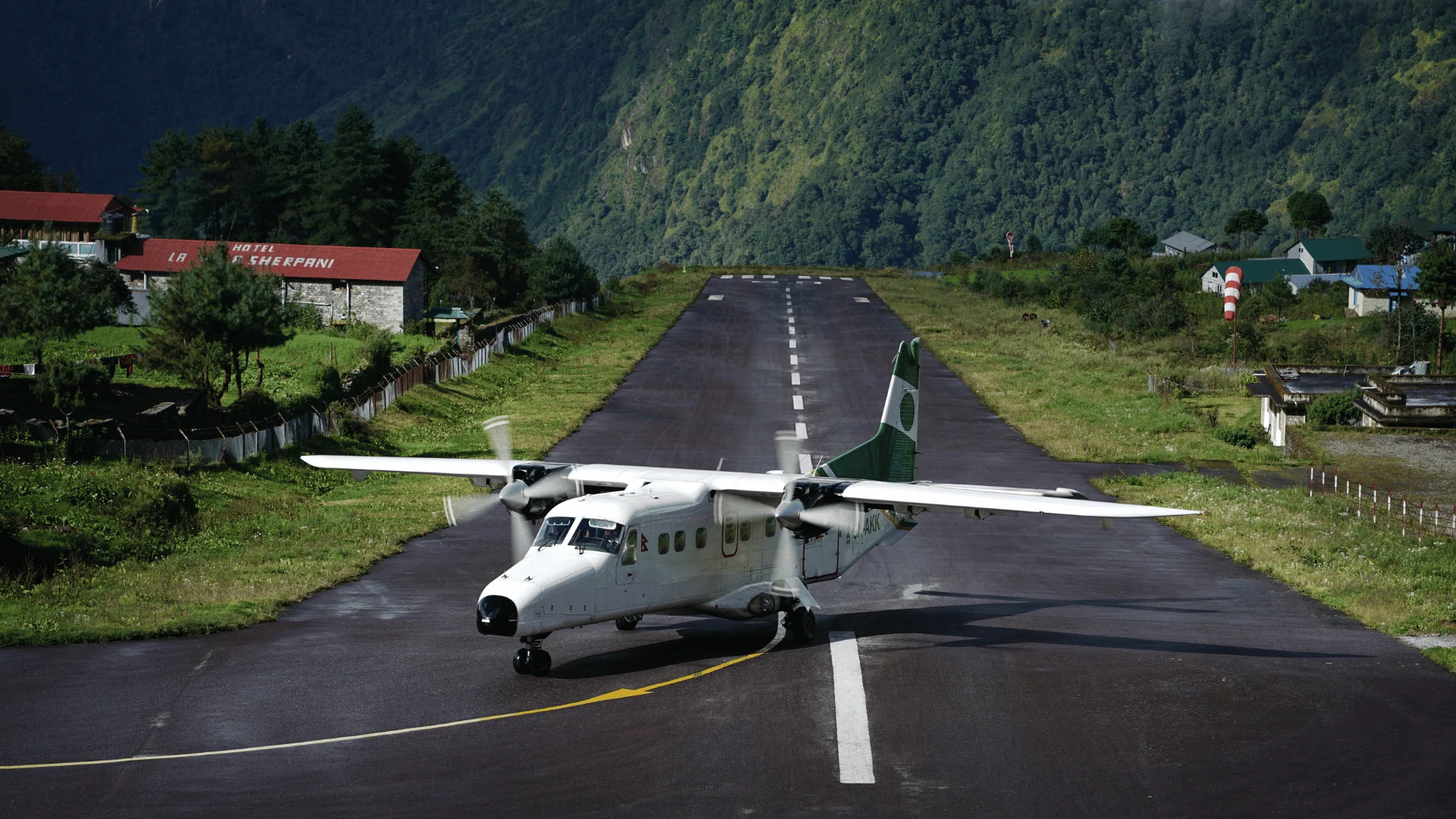
The Himalaya's helicopter business is beautiful and, like all aviation, energy-hungry. Now the quiet background conversation is shifting from "how high" to "how clean" - with sustainable aviation fuel trials, electric prototypes and eco-tourism pressure all converging on the world's most majestic runways. This is the outlook for greener mountain flight.
The Case for Change
Helicopters are efficient at carrying people over impossible terrain, but the turbine burn on cold, high-altitude routes is heavy. Operators in mountain markets - including Nepal - are increasingly asked by tour operators, insurers and travellers for emissions transparency, while global SAF certification rolls into regional aviation hubs.
Sustainable Aviation Fuel and the Himalaya
SAF (sustainable aviation fuel) made from waste oils and synthetic processes can cut lifecycle emissions dramatically, and it drops into existing turbines with little modification. Global trials of 100% SAF in utility helicopters are advancing; South Asian operators are monitoring the supply and certification chain. Realistic timeline for commercial heli-SAF in Nepal: the next few seasons for pilot runs, wider adoption beyond.
Electric Helicopter Prototypes
The dream of a silent, clean aircraft above Ama Dablam is still prototyping. Current electric VTOL designs lift modest payloads at low altitude, and three barriers block Himalaya touring - battery energy density, weight at altitude and cold-weather performance. Industry roadmaps put high-altitude electric touring a decade-plus out; hybrid-electric stagecoach designs may arrive sooner for shorter valley hops.
What Is Practical Sooner
- Fuel efficiency: newer turbine designs already burn less per hour; fleet renewal quietly shrinks footprints
- Load optimisation: fuller shared cabins cut per-passenger emissions immediately
- Ground efficiency: solar power and electric ground vehicles at helipads reduce auxiliary burn
- Verified offsets: many operators now offer or honour verifiable carbon-offset programmes on flights
Eco-Tourism Pressure on Operators
Travellers increasingly choose lower-impact experiences, and Nepal's operators are responding with transparency - publishing fuel burn per route, supporting conservation-linked lodges near landing zones, and opening the sustainability checklist in their booking terms. The market is rewarding honesty: operators that publish efficiency data report stronger repeat and referral bookings.
What a Greener Future Looks Like
The near-term Himalaya won't be silent battery-electric chargers - it will be smarter: SAF-powered turbines on the highest corridors, hybrid-electric machines on valley hops, fuller cabins, better flight paths cutting burn, and offset programmes that fund real mountain conservation. Each of those steps has a tangible timeline and a verifiable effect.
Frequently Asked Questions
Is it hypocritical to fly a helicopter and call myself an eco-traveller?
No - sustainable travel is about making the best choices available, not purity. Fly fewer, fuller, better-planned flights; offset them verifiably; and choose operators investing in efficiency. That is the honest eco standard for mountain aviation today.
Do Nepali operators offer carbon offsets?
A growing minority do, usually through verified forestry or community-energy programmes. Ask directly; an operator without any green option is a data point worth noting, not necessarily a deal-breaker.
When will electric mountain helicopters actually land?
Realistically not within the next decade for the 5,000-metre touring routes; nearer-horizon wins are SAF and hybrid flights. Follow the prototypes - they are real, but the Himalaya's altitude is the hardest proving ground on Earth.
Represent a Helicopter Agency or Operator?
We welcome guest contributions from helicopter agencies and licensed operators who want to share original route guides, flying experiences, or practical safety knowledge with our readers. Each article is clearly labelled as a contributed guest post.
Write For Us



Comments (0)
No comments yet. Be the first to share your thoughts.
Leave a Reply